 (360) 518-0254Dispatcher 7 AM – 7 PM · AI after hours
Same-Day Appliance Repair in Woodland, WA
No surprise feesYour OK firstNo call center
Based in Camas. Serving Woodland, La Center and Ridgefield, the north end of our regular I-5 run. Book online any time, day or night.
How a visit works
No call center, no mystery pricing. The same four steps on every job.
Book online any time, day or night, or call. A dispatcher answers 7 AM – 7 PM and our AI receptionist after hours. Same day for most calls before noon.
Factory-trained on the major brands, licensed, bonded and insured, and based in Camas, a short drive from anywhere in Clark County and up I-5 to Woodland.
Full inspection, then a written parts-and-labor price before anything is touched. Say no and the $99 is all you owe.
Approve it and the $99 is waived. 30-day labor warranty, manufacturer's warranty on parts.
Appliance repair in Woodland, WA: what we fix
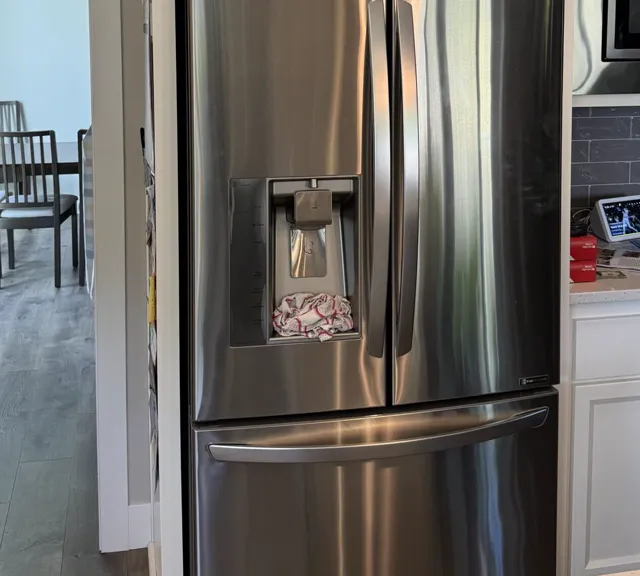
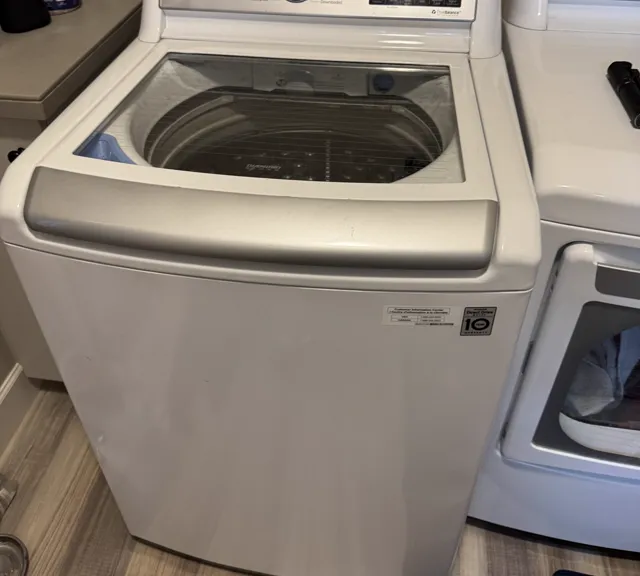
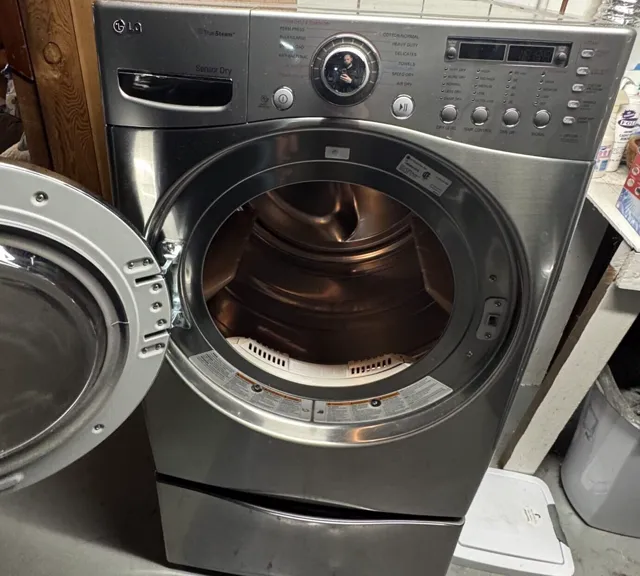
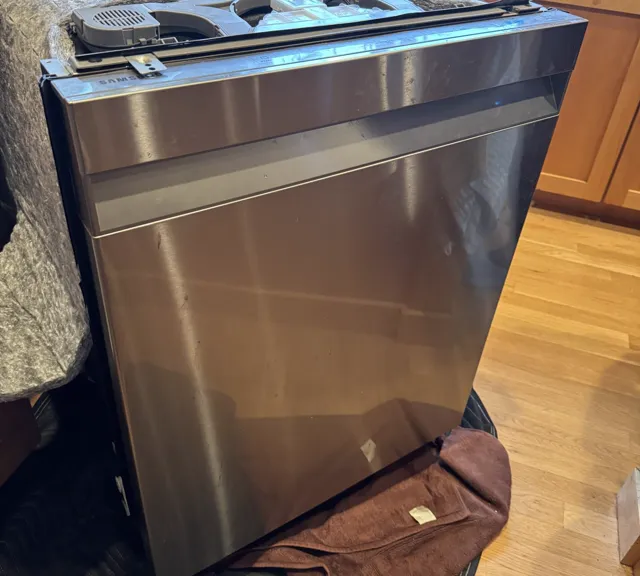
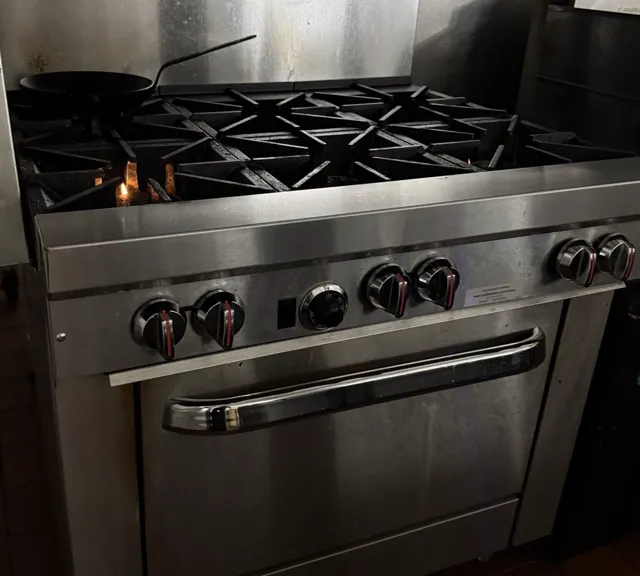
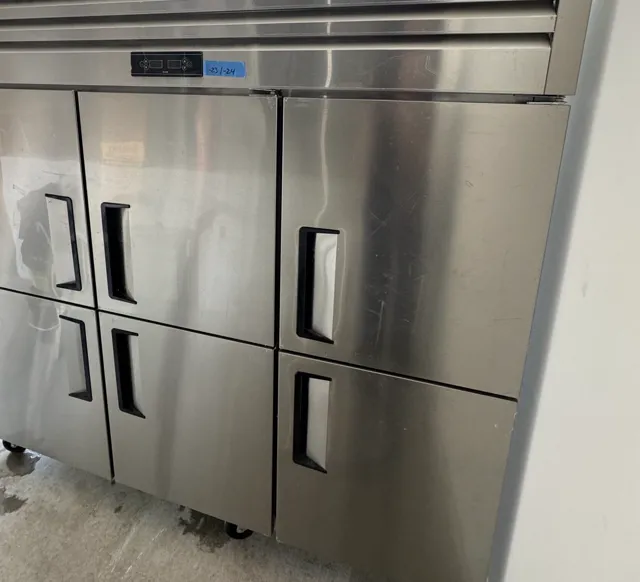
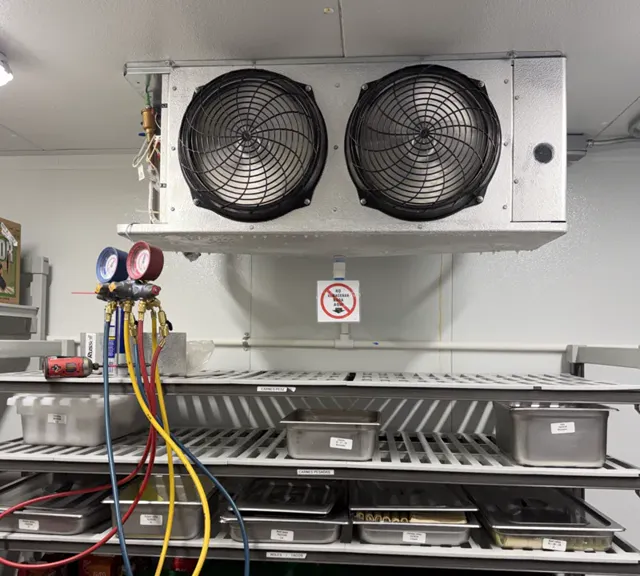
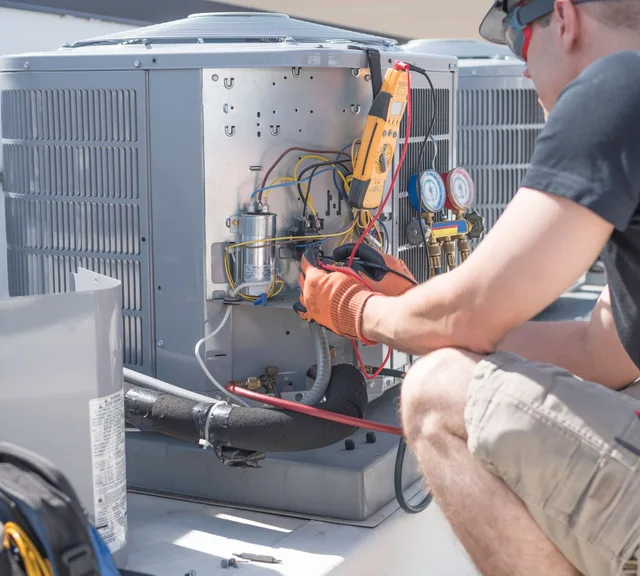
Refrigerator, washer, dryer, dishwasher, oven and freezer repair in Woodland, La Center, Ridgefield and the homes along the Lewis River, for homes and businesses. Tap one to start booking.
More from us: appliance repair in Vancouver · appliance repair in La Center · refrigerator repair in Vancouver · commercial refrigeration repair · commercial kitchen equipment repair · Samsung and LG appliance repair · what dryer repair costs in Clark County · refrigerator not cooling · washer leaking from the bottom · dryer not heating
The usual repair-call headaches, and what we do instead
- A surprise fee when the tech arrives$99 diagnostic, stated up front. Waived when you approve the repair.
- A price that grows after the work startsA written flat-rate quote before anything is touched.
- A call center that has never heard of your townBased in Camas. A dispatcher answers 7 AM – 7 PM, our AI receptionist after hours.
- Waiting days for someone to show upSame day for most calls before noon, 7 days a week.
- Being pushed to buy a new applianceHonest repair-or-replace advice. If the fix is not worth it, we tell you, and the $99 is all you pay.
Local, not a call center.
- Based in Camas, on the road north to Woodland: Woodland, La Center and Ridgefield are regular stops on our I-5 run, so a same-day visit means today, not "next week".
- Factory-trained technicians on the major brands: Samsung, LG, Whirlpool, GE, Bosch, KitchenAid and more.
- Licensed, bonded and insured. BBB accredited. 2026 Quality Business Award, appliance repair in Camas.
- Honest repair-or-replace advice. If the fix is not worth it, we tell you, and the $99 is all you pay.
Who's coming to your door
You are letting someone into your home. Here is what to expect.
- A dispatcher calls you first and confirms the exact time by phone.
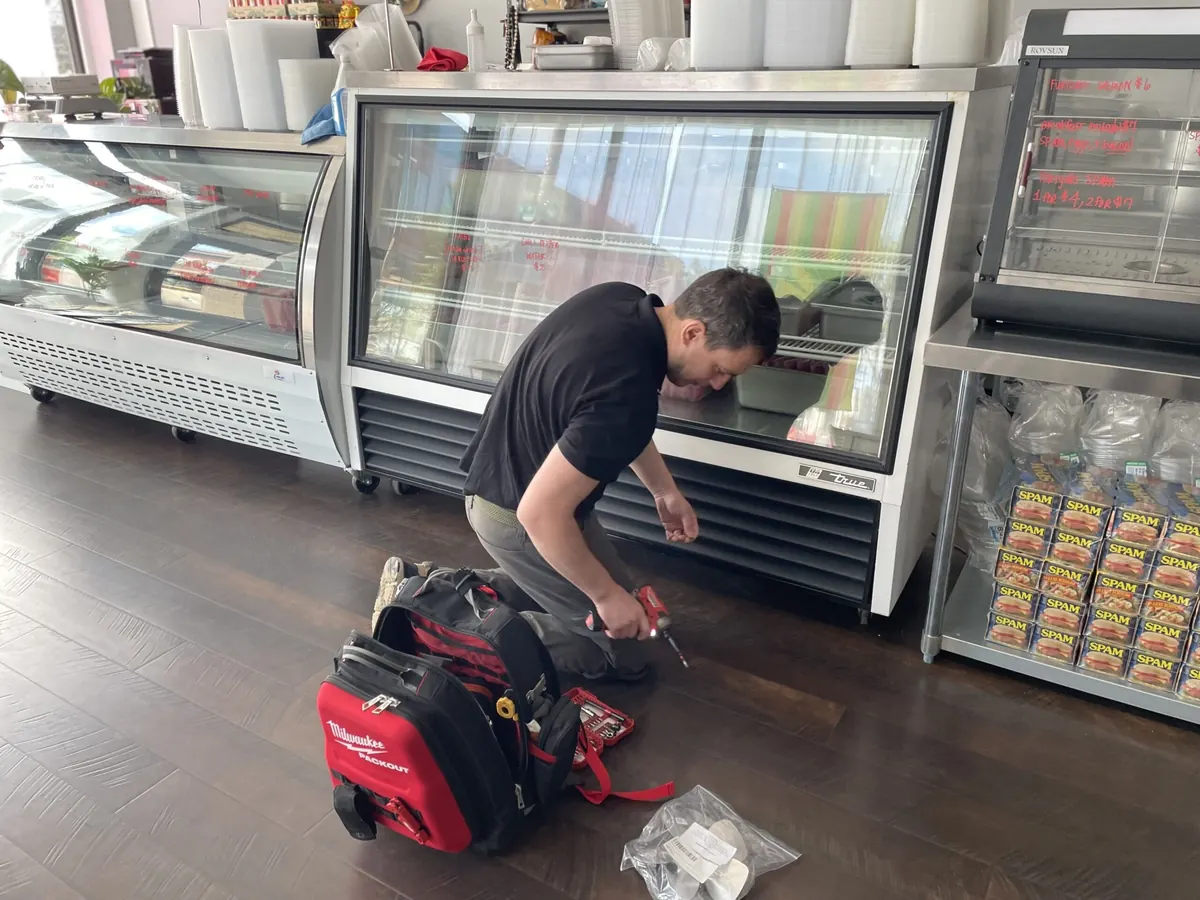
- A local technician arrives: factory-trained, licensed, bonded and insured, and based in Camas.
- You get the price in writing first. Full inspection, then a written price before anything is touched.
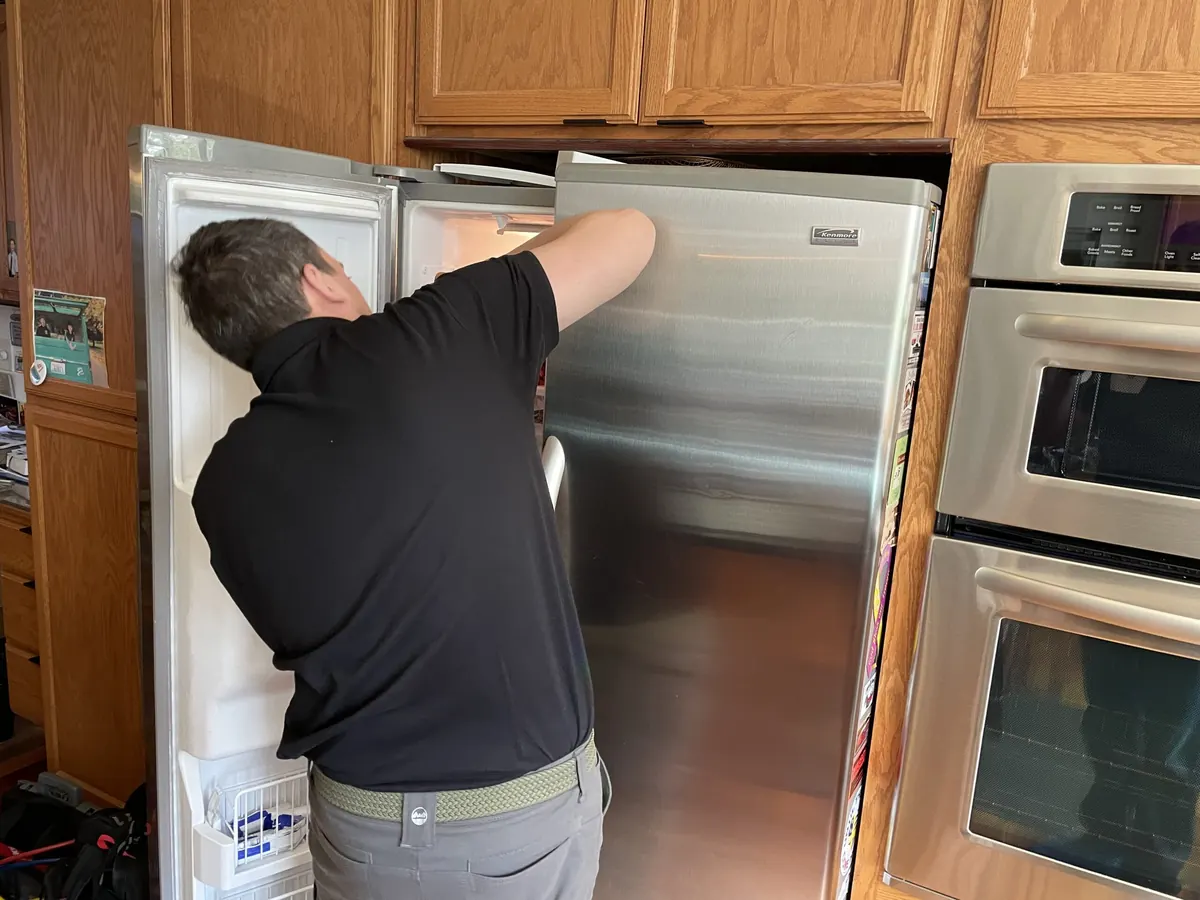
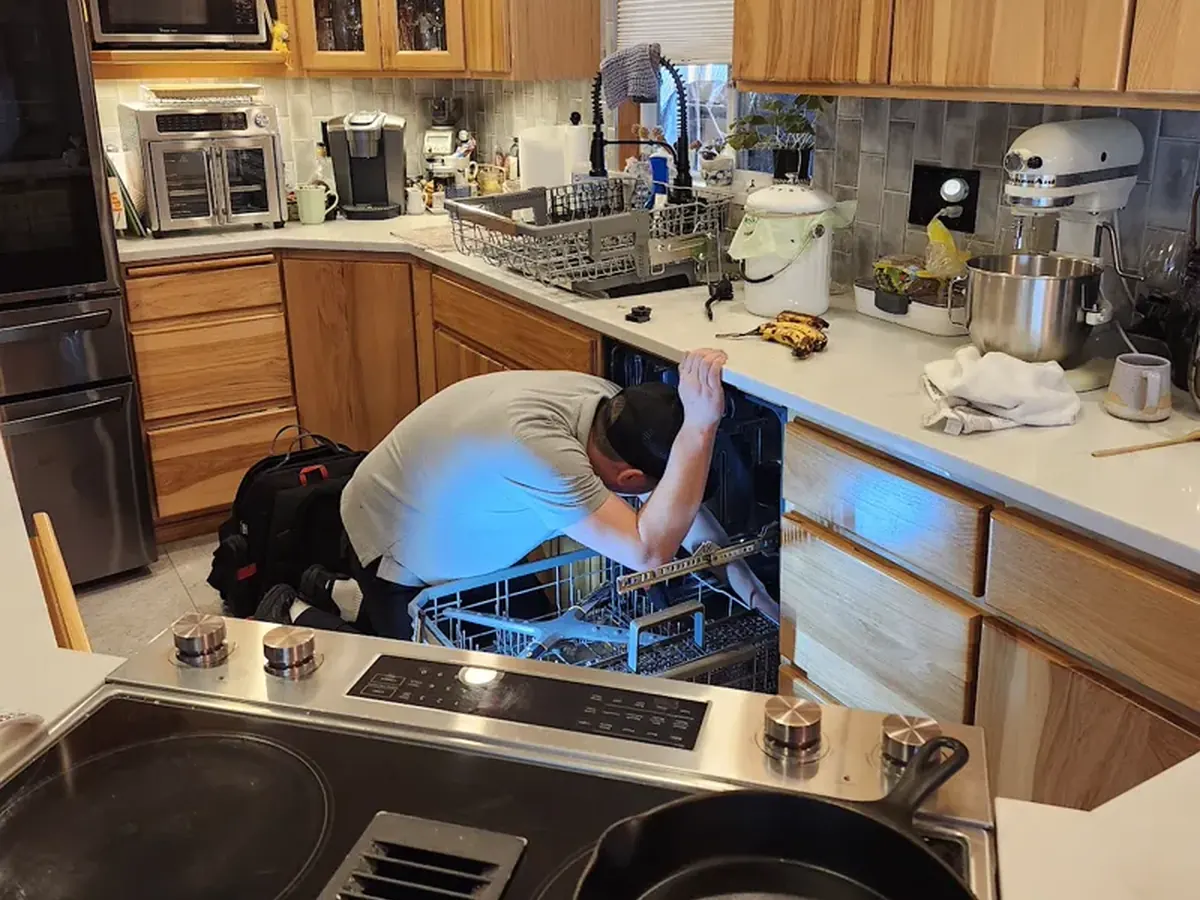
Nikolai showed up promptly as scheduled. He was friendly, courteous and performed a thorough examination of the troublemaking appliance.
When he found the problem he showed it to me and explained what he was going to do to fix it.
Respectful the Space and super polite.
Factory-trained on every major brand sold in the Pacific Northwest.






Bosch and most other makes too. Not sure about yours? Book anyway and the dispatcher confirms on the call-back.

BusinessRate award winner
Clark County's Best of 2026 for appliance repair
BusinessRate ranks local businesses on their Google reviews: lifetime rating, the last 90 days and review quality. For 2026 it named us the Best of 2026 for appliance repair service in Clark County, Washington.
What customers say
Pulled from our Google reviews. Names as the customers wrote them.
Your technician was prompt, polite, friendly, and obviously very competent. He was able to fix an ignitor issue on our Elmira stove when a replacement part was not available.
Sergio is a absolute gem he came by and got my dryer running on a Sunday and Pacific Appliance has just got a life long customer
When our fridge stopped working they were here next day, diagnosed the problem quickly and got our fridge back in working order. Great team. Have your problem solved the first time.
Where we go in Washington
Woodland, the Lewis River towns and the rest of our Washington area. Not on the list? Put your ZIP in the booking form and we will tell you right away.
Woodland & the Lewis River
Vancouver, Camas & the rest of the area
Woodland is ZIP 98674 and the north end of our regular run; La Center (98629), Ridgefield (98642) and Battle Ground (98604) are on the same route, along with Woodland Bottoms, Dike Road, the Horseshoe Lake side of town, Hayes and the homes up the Lewis River toward the Cedar Creek Grist Mill. In Oregon? See Portland appliance repair.
Questions people ask before booking
What Woodland homes, and the businesses by the I-5 exits, ask us before they book.
Our place in the Bottoms had water in the garage last winter and the washer and dryer stood in it. Are they finished?
Not automatically. What matters is what the water reached: the motor and the pump sit low on every washer, and on some front-loaders so does a control board, while a top-loader keeps its electronics up in the console. Do not plug either machine in until it has been looked at: a flooded dryer can short, and a gas dryer with a wet gas valve is a leak waiting to happen. The technician opens both, tells you what the water reached and puts a figure for each machine in writing, so you can decide one at a time and have something on paper to show whoever is handling the claim.
We live in a manufactured home off Dike Road. Are the appliances any different to work on?
The appliances are the same brands you would find anywhere, so parts are no trouble. What is different is the space: an 18-inch dishwasher, a narrow laundry closet, a range hemmed in by cabinets or a refrigerator that barely clears the doorway. Say it is a manufactured home when you book so the technician knows what to expect, and mention it if the water heater is the small kind. A dishwasher that will not clean is sometimes just a tank that has run out of hot water by the time the cycle starts.
The inner glass on the oven door shattered while it was heating. Can the door be repaired, or is the oven done?
Repaired, nearly always. The inner pane is tempered glass, and a chip from a dropped pan or a scratch from an abrasive cleaner lets it go later with a bang, usually during preheat. The glass comes as a part for most ranges, sometimes as a complete inner door, and fitting it is routine. Do not use the oven until then: without that pane the door runs far hotter than it should and the outer glass is next. Vacuum the shards carefully, including the ones that fell through the vents under the door.
The dishwasher cleans the bottom rack but leaves the top rack dirty. What is going on?
Water is not reaching the top. The upper spray arm is fed by a tube up the back or the side of the tub, and that tube pops off its clip or clogs with food and scale, so the bottom arm takes all the pressure and the top gets a drizzle. Check that nothing tall in the bottom rack is blocking the arm, pull the top arm off and rinse out its holes, then look at where the tube joins it. If the arm is clear and still barely turns, the circulation pump is weak or the diverter that switches water between the two arms has stuck, and both are service calls.
The dryer gets hot, runs for a few minutes and then shuts itself off. I have to keep restarting it. Why?
Something is tripping a safety or fooling a sensor. A dryer that stops while hot has usually overheated because the air cannot get out: a kinked duct, a lint-packed run to the roof or a vent flap stuck shut on the outside wall. Clear the vent first and see whether the problem goes with it. If it stops with a cool drum, or stops even when you dry a small load, the moisture-sensor bars are coated in softener film or the cycling thermostat or control board has failed, and the technician can tell which.
There are water droplets on the outside of my refrigerator, in the strip between the fridge and freezer doors. Is the seal going?
Possibly, but check two other things first. That strip carries a small heater, the mullion heater, that keeps it just warm enough for room moisture not to condense on it; when the heater fails the strip sweats, and in a steamy kitchen it drips. On refrigerators with an energy-saver switch the heater is turned off on purpose, so flip the switch and see. If the sweating is on the door itself rather than the strip, the door gasket is not sealing and cold is leaking out, which also shows up on the power bill. A gasket and a mullion heater are both ordinary repairs.
The washer sounds like a jet engine on spin and there are rusty or oily marks on the clothes. Is it worth fixing?
That is the tub bearing, and it is the one washer repair where the honest answer depends on the machine. The bearing sits behind the drum, so on most front-loaders the whole tub comes apart or is replaced as an assembly, which is several hours of labor plus the part. On a machine a few years old from a brand worth keeping, that can still make sense; on a budget model that is ten years old, usually not. You see the figure in writing before anything is taken apart, so the call is yours. Stop running heavy loads in the meantime: a bearing that fails completely can let the drum hit the tub and ruin it.
We run a convenience store near the freeway. The glass-door drink cooler fogs up and the cans are warm by evening. Can it be fixed before we lose the stock?
Yes, and quickly. A glass-door merchandiser is built for a shop that sits around 75°F with a door that opens now and then; a store by the freeway in summer gives it a hot room and a door that swings all day, and the glass tells you how it is coping. Fog on the inside of the glass means the heated door frame or the anti-sweat heater has failed, or the gasket has shrunk, so damp air comes in with every customer. Cans that are warm by evening on top of that mean the unit cannot recover between openings: a low refrigerant charge, a lighting ballast adding heat inside the case, or stock packed so tight that no air moves around it. Move the slow sellers out, leave a gap behind the product, and keep it running until the visit; switching it off and on does the compressor no good.
The ice machine at our café makes less ice every week. Is it on its way out?
Probably not, but it is telling you something. Watch a harvest: cubes that come off thin, cloudy or welded together, and a harvest that takes far longer than it used to, are the machine fighting a coating on the evaporator plate, and a descale with a fresh water filter usually brings the batch size back. If the cubes look right and the harvest is quick but there are simply fewer batches an hour, look elsewhere: a water inlet valve that no longer fills the trough, a harvest-assist or float that sticks, or a condenser so hot that the freeze cycle drags on. The technician times a cycle on site and tells you which it is. Do not let it limp along: a machine that cannot keep up in November will not get through the summer.
The dishwasher in our restaurant runs its cycle, but the health inspector says it is not reaching sanitizing temperature. Is that your job or the plumber's?
Usually ours. A high-temp commercial dishwasher relies on its own booster heater to lift the final rinse to 180°F, and when the booster element, its thermostat or the rinse valve fails the machine still runs, just not hot enough. A low-temp machine depends instead on its chemical sanitizer pump, and a dry pump or a kinked line fails the inspection the same way. Call the plumber only if the hot water arriving at the machine is itself cold. After the repair, run a cycle with a test strip or a thermometer so you have a reading to show the inspector.
Lettuce in the crisper drawer keeps freezing even though the fridge is set to normal. What is wrong?
Cold air is landing where it should not. The fresh-food section is cooled by air ducted from the freezer through a damper, and when that damper sticks open, or the thermistor that tells the control board how cold the fridge is reads warm, the board keeps sending freezer air down onto the drawers at the bottom. Before booking, check that the fridge is not set colder than about 37°F, that the drawers are not pushed hard against the back wall where the vent is, and that a bag of greens is not sitting right under a cold-air outlet. If it still freezes the salad, the damper or the thermistor is a standard repair, and worth doing before it starts freezing the milk too.
The gas burners on my range click constantly, even when every knob is off. How do I make it stop?
Unplug the range or switch off its breaker, then let it dry out. The clicking is the spark module firing every igniter at once, and the usual trigger is water that has got under a knob or into an igniter after a boil-over or a wipe-down. A day of drying often cures it. If it comes back dry, a cracked igniter, a knob switch that has shorted or the spark module itself is the fault, and all three are routine range parts. Do not keep cooking on it while it clicks: a module that never stops firing runs hot and wears the igniters out.
Our laundry is a stacked washer-dryer unit in a closet. Is that harder or more expensive to repair?
Harder to get at, not harder to fix. A stacked laundry center, or a dryer stacked on a front-loader, has the same parts as the standalone machines, but reaching them means lifting the dryer down or working inside the closet. Clear the hallway and anything stored on top of the unit before the visit, and mention the stack when you book. The quote is still one flat figure for the repair, written before the work starts, whatever it took to reach the part.
There is a smell from the dryer and I found droppings behind it. Can mice get in through the vent?
They can, and a dryer vent is an easy way in. Most of the smell is lint: a nest in the duct cooks a little every time the dryer runs, and because the duct is part blocked the dryer runs longer and hotter than it should. Start outside. The termination should be a hood with a louvered or damper-flap cover that swings shut when the dryer stops, not a plain hole and not a mesh screen, which traps lint and is itself a fire risk. Clear the duct from end to end, run an empty cycle on air-only to blow out the last of it, and if the smell stays or the dryer runs oddly, have the technician look behind the panel before it goes back into daily use.
Broken appliance? Book a visit, often the same day.
Five quick questions, any time, day or night. Or call: a dispatcher picks up 7 AM – 7 PM, our AI receptionist after hours. $99 diagnostic, waived with repair.