 (360) 518-0254Dispatcher 7 AM – 7 PM · AI after hours
Same-Day Appliance Repair in Stevenson, WA
No surprise feesYour OK firstNo call center
Based in Camas. Serving Stevenson, Skamania and Home Valley, out SR-14 from Washougal. Book online any time, day or night.
How a visit works
No call center, no mystery pricing. The same four steps on every job.
Book online any time, day or night, or call. A dispatcher answers 7 AM – 7 PM and our AI receptionist after hours. Same day for most calls before noon.
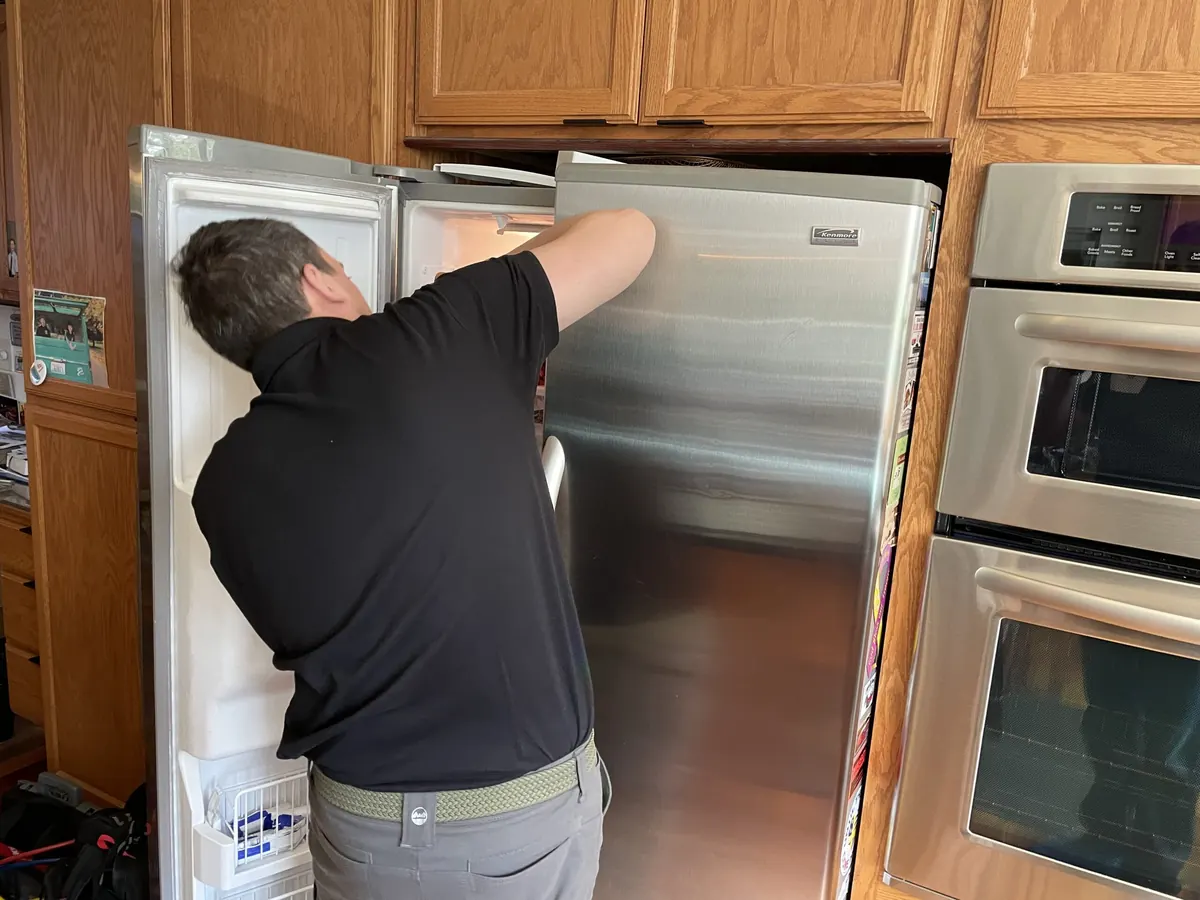
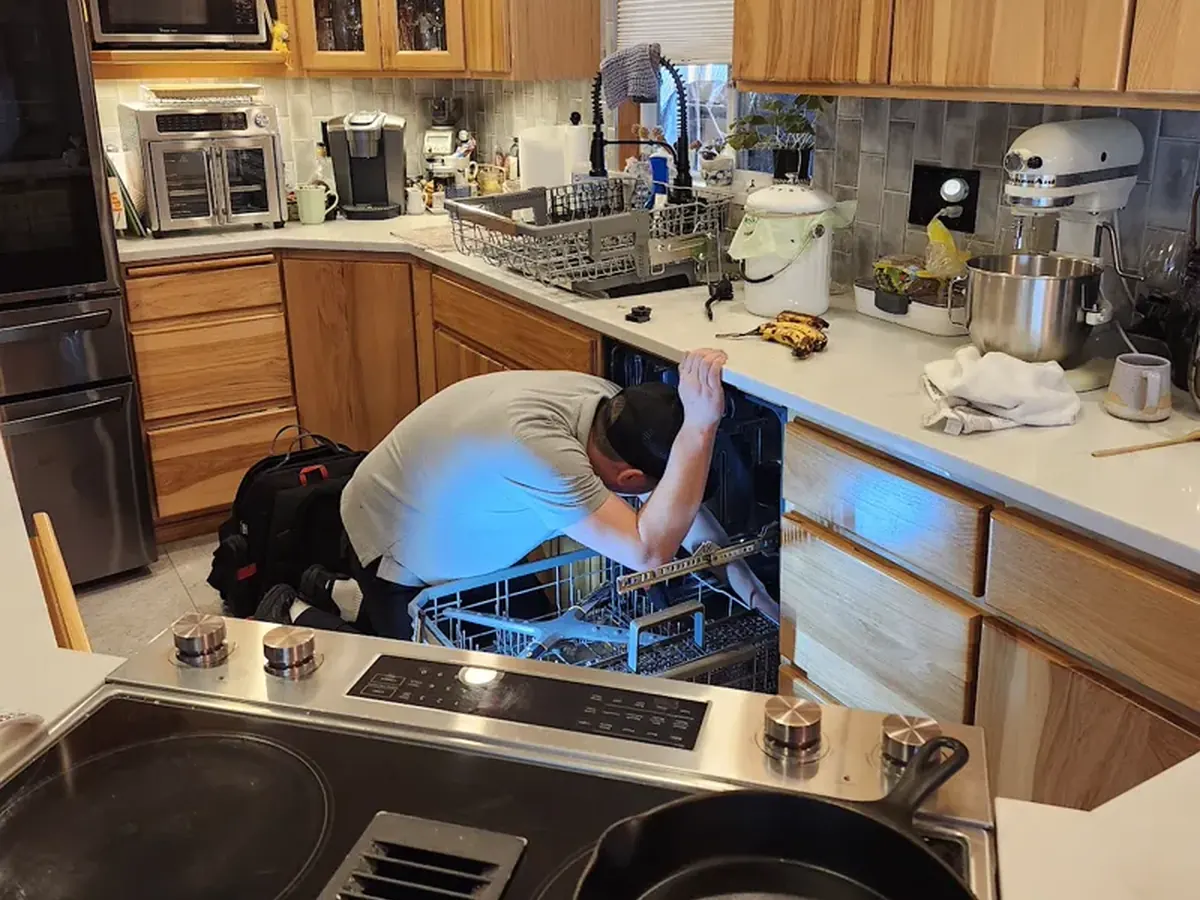
Factory-trained on the major brands, licensed, bonded and insured, and based in Camas, a short drive from anywhere in Clark County and out SR-14 to Stevenson.
Full inspection, then a written parts-and-labor price before anything is touched. Say no and the $99 is all you owe.
Approve it and the $99 is waived. 30-day labor warranty, manufacturer's warranty on parts.
Appliance repair in Stevenson, WA: what we fix
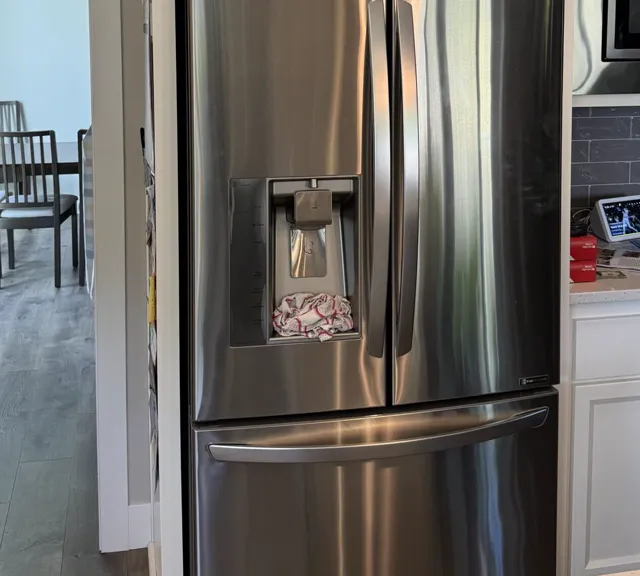
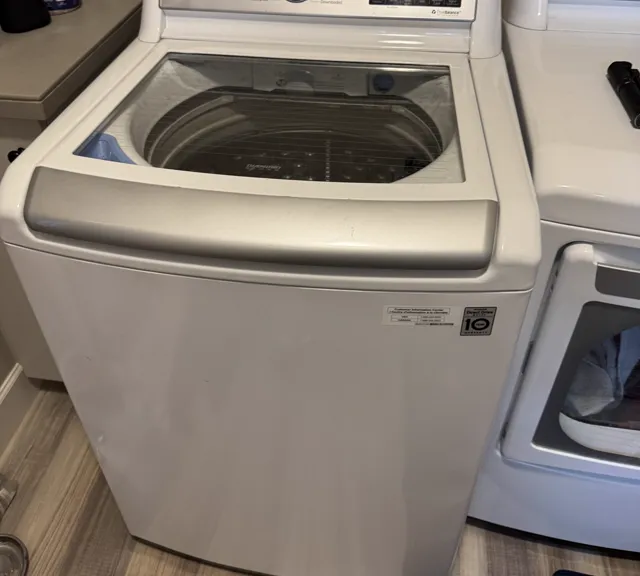
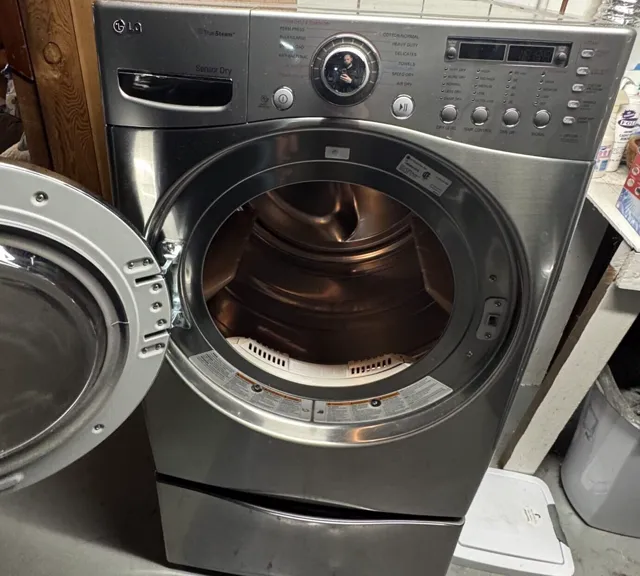
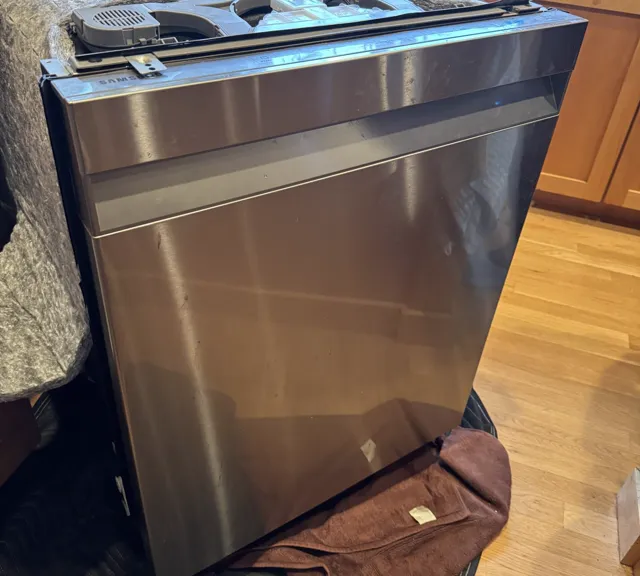
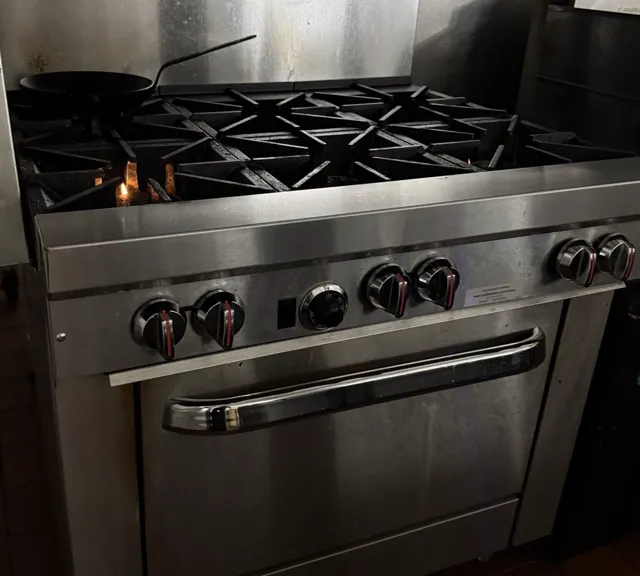
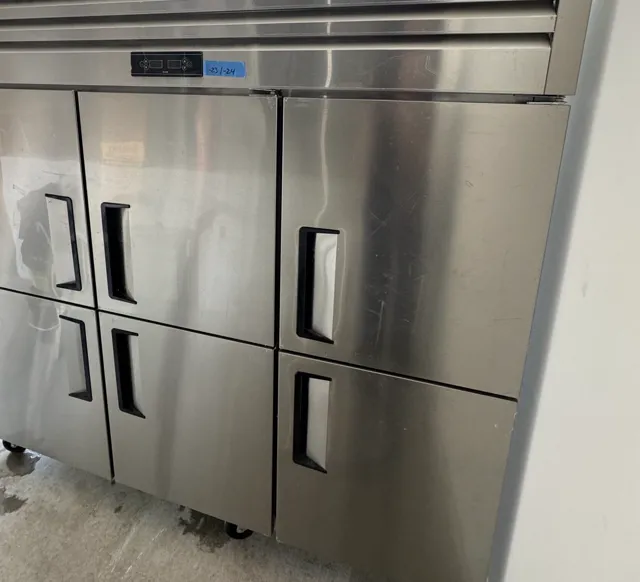
Refrigerator, washer, dryer, dishwasher, oven and freezer repair in Stevenson, Skamania and Home Valley, out SR-14 from Camas, for homes and businesses. Tap one to start booking.
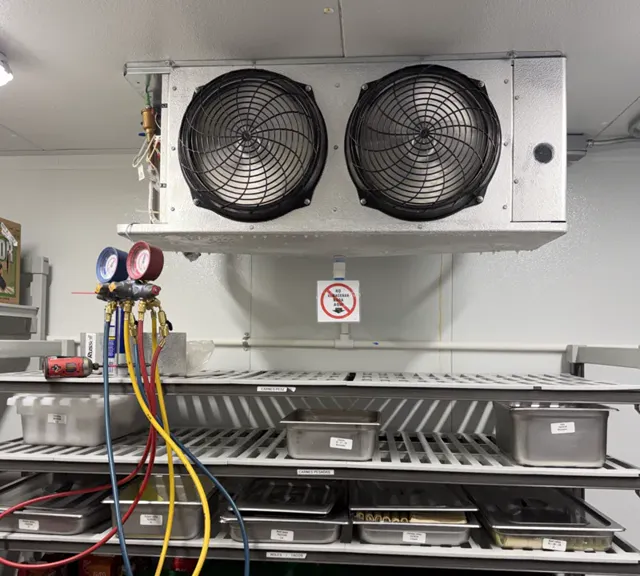
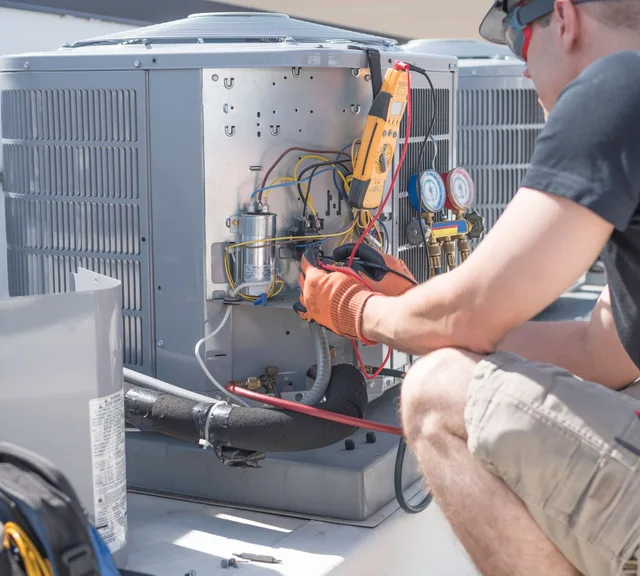
More from us: appliance repair in Washougal · appliance repair in Camas · refrigerator repair in Vancouver · commercial refrigeration repair · commercial kitchen equipment repair · Samsung and LG appliance repair · what dryer repair costs in Clark County · refrigerator not cooling · washer leaking from the bottom · dryer not heating
The usual repair-call headaches, and what we do instead
- A surprise fee when the tech arrives$99 diagnostic, stated up front. Waived when you approve the repair.
- A price that grows after the work startsA written flat-rate quote before anything is touched.
- A call center that has never heard of your townBased in Camas. A dispatcher answers 7 AM – 7 PM, our AI receptionist after hours.
- Waiting days for someone to show upSame day for most calls before noon, 7 days a week.
- Being pushed to buy a new applianceHonest repair-or-replace advice. If the fix is not worth it, we tell you, and the $99 is all you pay.
Local, not a call center.
- Based in Camas, out SR-14 to Stevenson on the Gorge run: Washougal, Skamania, Home Valley and Stevenson are regular stops, so a same-day visit means today, not "next week".
- Factory-trained technicians on the major brands: Samsung, LG, Whirlpool, GE, Bosch, KitchenAid and more.
- Licensed, bonded and insured. BBB accredited. 2026 Quality Business Award, appliance repair in Camas.
- Honest repair-or-replace advice. If the fix is not worth it, we tell you, and the $99 is all you pay.
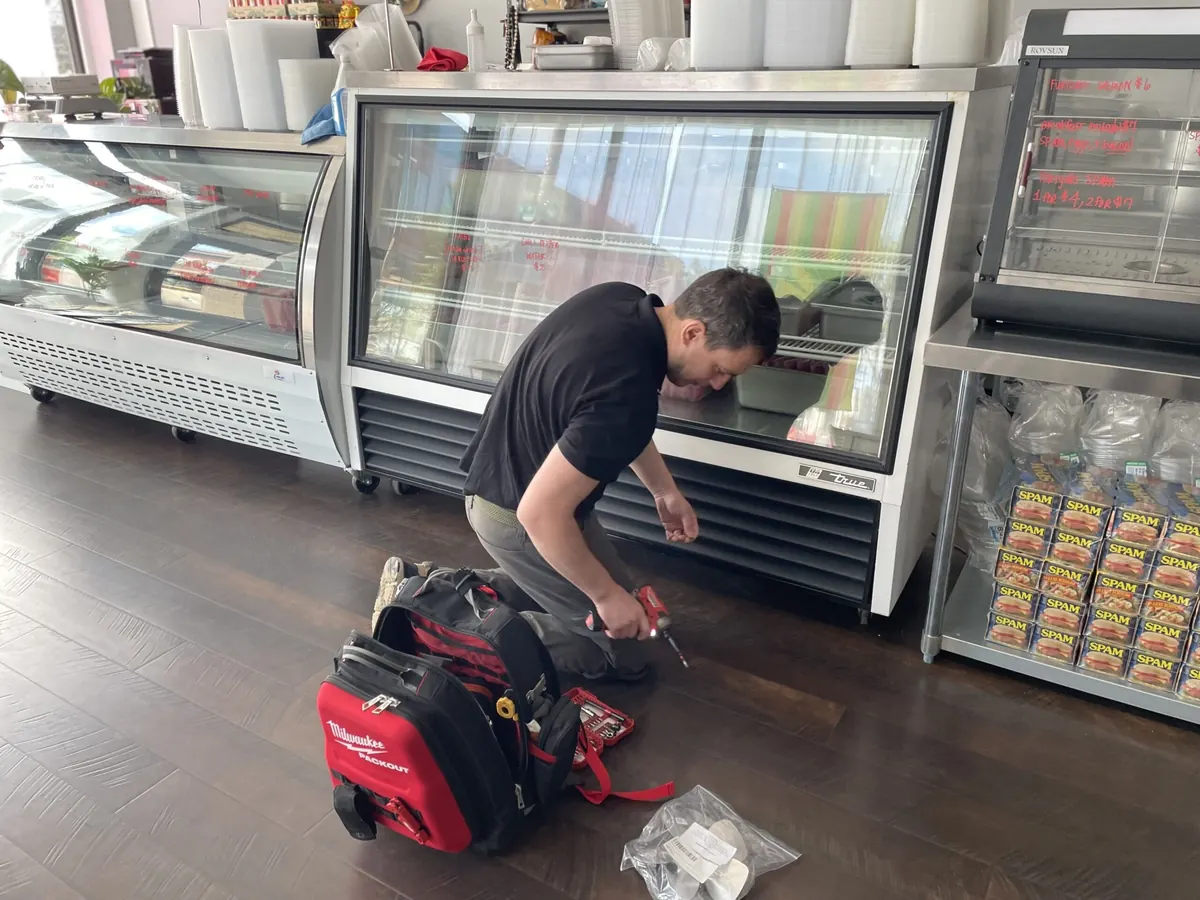
Who's coming to your door
You are letting someone into your home. Here is what to expect.
- A dispatcher calls you first and confirms the exact time by phone.
- A local technician arrives: factory-trained, licensed, bonded and insured, and based in Camas.
- You get the price in writing first. Full inspection, then a written price before anything is touched.
Nikolai showed up promptly as scheduled. He was friendly, courteous and performed a thorough examination of the troublemaking appliance.
When he found the problem he showed it to me and explained what he was going to do to fix it.
Respectful the Space and super polite.
Factory-trained on every major brand sold in the Pacific Northwest.









Bosch and most other makes too. Not sure about yours? Book anyway and the dispatcher confirms on the call-back.

BusinessRate award winner
Clark County's Best of 2026 for appliance repair
BusinessRate ranks local businesses on their Google reviews: lifetime rating, the last 90 days and review quality. For 2026 it named us the Best of 2026 for appliance repair service in Clark County, Washington.
What customers say
Pulled from our Google reviews. Names as the customers wrote them.
Your technician was prompt, polite, friendly, and obviously very competent. He was able to fix an ignitor issue on our Elmira stove when a replacement part was not available.
Sergio is a absolute gem he came by and got my dryer running on a Sunday and Pacific Appliance has just got a life long customer
When our fridge stopped working they were here next day, diagnosed the problem quickly and got our fridge back in working order. Great team. Have your problem solved the first time.
Where we go in Washington
Stevenson, the Gorge and the rest of our Washington area. Not on the list? Put your ZIP in the booking form and we will tell you right away.
Stevenson, Camas & nearby
North county & the rest of the area
Stevenson is ZIP 98648, in Skamania County on SR-14; Washougal (98671) and Camas (98607) are on the way out, along with Skamania and Home Valley; the run follows SR-14 from Cape Horn through Stevenson to Home Valley. In Oregon? See Portland appliance repair.
Questions people ask before booking
Stevenson questions: lodges, breweries, cabins closed for the winter and the damp of the Gorge.
We run a lodge with a small refrigerator in every guest room. Do you service those, and is it worth repairing a mini fridge?
We do, and the useful part is the logistics. Tell the dispatcher how many rooms have a problem and what each unit is doing, so the visit is scheduled for all of them and you get a written figure for each; then you decide unit by unit rather than for the whole lodge. The honest line on compacts is that a cheap fault is worth fixing on a unit you have twenty of, and a sealed-system fault is not, and the technician says which on the spot. Housekeeping can help before the visit: a note of which rooms run warm, which are noisy and which have iced up tells the technician where to start.
The walk-in door at our brewery drags on a ridge of ice at the threshold and no longer closes properly. What is causing the ice?
On a walk-in freezer, the door is sweating and the water is freezing where it lands. The door frame and the threshold carry heaters to stop exactly that, and when the threshold heater fails, condensation runs down the frame and freezes into a ridge the door rides over; the heater is a routine commercial part. A brewery walk-in is more often a cooler, and a cooler box at 35 to 38°F cannot freeze a ridge: there the same drag is a puddle or a wet, slippery threshold, which means the bottom gasket or the door sweep has failed and warm, wet air is being drawn in under the door. Clear ice carefully without chipping at the floor, and do not let the door keep dragging, because it wears the hinges and lets the box run warm.
We close the cabin for the winter. How do we winterize the dishwasher, the washer and the ice maker so nothing cracks?
Get the water out of the things that hold it, and the fridge is the one people forget. The ice maker and the water dispenser are the biggest risk, because the line to them runs behind the fridge and up the door where a cold cabin freezes it first: switch the ice maker off, shut its valve, pull the line off the valve and let it drain, and empty the bucket. If the power is staying on, the refrigerator can be left running empty; if it is going off, empty it, clean it and prop both doors open, or it grows mold by spring. The washer and the dishwasher need a full drain-down, hoses off, pumps emptied and antifreeze made for drinking-water systems in the sumps; if you would rather not, keep that room above freezing instead.
The hot-holding cabinet in our kitchen is not keeping food at temperature. Is that a repair you do?
Yes. A hot-holding cabinet or a steam-table well has an element or two, a thermostat, and on humidified cabinets a water pan with its own element, and when food drops below 135°F the usual culprits are a thermostat that has drifted, an element that has failed on one side, a door gasket that has split so the cabinet leaks heat every time it is opened, or a water pan that has run dry and scaled up. A probe thermometer in a pan of water tells you whether the cabinet is really cold or the display is lying. These are commercial kitchen equipment we service; note the make and say if it has one door or two, and keep the temperature log going for the inspector.
We have a two-drawer dishwasher and one drawer has stopped working while the other is fine. Is that two machines?
In effect, yes. A drawer dishwasher is two independent machines sharing a cabinet, each with its own pump, heater, control and lid seal, so one drawer failing while the other runs is a fault inside that drawer. The common ones are the lid seal, which stops the drawer sealing so it refuses to fill, the drain pump, and the rotor in the wash motor. The drawer slides forward for most of these repairs. Check first that the drawer is pushed fully home and that nothing tall is stopping the lid from lowering, since the control will not start a drawer it thinks is open.
The refrigerator dispenser gives crushed ice only, whatever I select. What has stuck?
The crusher's solenoid or the flap that bypasses it. Inside the ice bucket a blade crushes the ice on its way to the chute unless a solenoid moves a door that lets the cubes past whole; when the solenoid fails, or the door freezes in place, everything comes out crushed. Empty the bucket and look for ice packed round the crusher and the door; a bucket left full for weeks often freezes solid round them. If the bucket is clear and cubes still come out crushed, the solenoid or the dispenser control is the part, and both are routine. The reverse, cubes only and no crushed, is the same solenoid failed the other way.
The top-loader fills, drains, fills again, and never gets round to washing. What is it doing?
Trying to find the right water level and failing. A high-efficiency top-loader senses the load and fills to suit it, and if the pressure sensor that measures the water level gives a reading the control does not trust, the machine drains and tries again, sometimes for an hour, before it errors. A kinked or split pressure hose, a sensor that has failed, or an inlet valve that keeps letting water in after the fill all cause it. Check that the drain hose is not pushed too far down the standpipe, which siphons water out as fast as it fills; if that is fine, the sensor or the hose is the part.
The dryer gets hot at the back, but the clothes stay cold and the lint screen collects almost nothing. What is wrong?
The air is not moving through the drum. The heater is working, which is why the back is hot, but the blower that pulls air through the drum and out the vent has stopped doing its job: the blower wheel has cracked or come loose on the motor shaft, or it is packed solid with lint that got past a torn screen. A lint screen that collects nothing is the giveaway, since no air means no lint reaches it. The blower wheel is a standard part. Stop using the dryer until it is fixed, because a heater running with no airflow trips the high-limit thermostat repeatedly and eventually fails it, or worse.
We have a dual-fuel range. If the oven fails, is it the gas side or the electric side that has gone?
The electric side, almost always, because on a dual-fuel range the oven is entirely electric: elements, sensor, control and, on convection models, a fan. Only the cooktop burners are gas. So an oven that will not heat, heats unevenly or throws an error is the same repair as on an all-electric range, and the gas supply has nothing to do with it. The gas side has its own faults, igniters and valves, and they stay on the cooktop. Knowing which side is involved matters when you book, because an oven fault on a dual-fuel range needs the electrical part, not the gas one; say "dual-fuel" to the dispatcher.
The microwave has become very loud while it runs, though it still heats. Should it be looked at?
Yes, before it stops heating. A microwave that is suddenly loud has one of three things going: the cooling fan, which is cheap, the turntable motor, which is cheap and makes a grinding or clicking rather than a roar, or the magnetron, which hums louder as it ages and is the part that does the heating. A loud hum with food that takes longer than it used to is the magnetron on its way out, and the written figure for it tells you whether that makes sense for your unit. A new buzz with a burning smell is the one to switch off at once.
The hot-surface light on the cooktop never goes off, even hours after cooking. Is the glass still hot?
No, the light is. The hot-surface indicator is driven by a small sensor at each burner, and when one sensor fails or its wiring shorts the light stays on for good, which is a nuisance rather than a danger, since the glass cools exactly as before. On some models the indicator is part of the burner element and comes with it; on others it is a separate switch under the glass. It is a modest repair and usually combined with any other cooktop work. The opposite fault, a light that never comes on, is the one to take seriously, because then nothing warns you the glass is hot.
Rust spots have appeared on the stainless-steel refrigerator door. Is the steel failing in the Gorge damp?
Almost never the steel itself. Most refrigerator doors are a thin stainless skin that is quite happy in damp air, and the spots are either surface deposits of iron, from a scouring pad or steel wool used on it once, that have rusted in place, or chlorine from a cleaner that has pitted the finish. Clean the spots with a soft cloth and a stainless cleaner or a paste of baking soda, rub along the grain, and keep bleach and chloride cleaners off it. Spots that come back in the same place after cleaning are pits, and they are cosmetic. The doors of a refrigerator that is really rusting through are usually the ones on a cheap compact in an outdoor spot.
The mini-split in our cabin runs all day but barely heats in a cold snap. Is that an appliance call or an HVAC call?
An HVAC call, and that is a service we offer alongside appliances. A mini-split heats by pulling warmth out of the outdoor air, and in a Gorge cold snap two things are normal: the outdoor unit stops for a few minutes at a time to defrost its coil, and output falls as the temperature outside drops, so a unit sized for the shoulder seasons struggles at 20°F. What is not normal is an indoor unit blowing cool air for long stretches while the outdoor fan runs, an outdoor coil that stays iced over, or an error code on the indoor unit; those point to a filter blocked solid, a failed outdoor sensor, a reversing valve or a low refrigerant charge, and the last one needs a technician with gauges. Clean the indoor filters first, keep snow and ice off the outdoor unit, and book it if the room still will not warm.
Should we leave the refrigerator running when the cabin is empty for a month, or switch it off?
For a month, leave it running and empty it of anything that spoils; a modern refrigerator costs little to run empty and stays dry and clean inside. Switch it off only if the power to the cabin is going off anyway or the absence is a whole season, and then empty it, clean it, and prop both doors open with a towel, because a sealed fridge with the power off grows mold within weeks in the Gorge damp. Turn the ice maker off and shut its water valve in either case, so a line cannot leak or freeze while nobody is there. When you come back, a fridge that was running should be cold and dry; one that smells, or whose compressor is clicking, needs a look.
Broken appliance? Book a visit, often the same day.
Five quick questions, any time, day or night. Or call: a dispatcher picks up 7 AM – 7 PM, our AI receptionist after hours. $99 diagnostic, waived with repair.