
Your refrigerator is supposed to keep things cold, right? So when it suddenly stops doing that, it’s a real bummer. Food can go bad fast, and then you’re left wondering, ‘Why is my refrigerator not cooling?’ It’s a common problem, and usually, it’s something you can figure out without calling a repair person right away. We’ll go through some of the most likely culprits that Portland homeowners should check first.
Key Takeaways
- Dirty condenser coils can prevent your fridge from cooling properly.
- A faulty evaporator fan or a blocked defrost system can stop cold air from circulating.
- A damaged door gasket lets warm air in, making the fridge work harder.
- The thermostat or compressor might be the issue if the fridge isn’t getting cold at all.
- Simple checks like ensuring the door is closed and the temperature isn’t set too high can solve the problem.
1. Condenser Coils
When your refrigerator isn’t keeping things as cold as it should, the condenser coils are a great place to start looking. These coils are usually found on the back or underneath your fridge, and they’re responsible for releasing heat from the refrigerant. Think of them like the radiator in your car – they need to be able to breathe.
Over time, these coils can get covered in dust, pet hair, and general grime. When they’re clogged, your fridge has to work much harder to get rid of heat, which makes it less efficient and can lead to cooling problems. This is especially common here in Portland with all the lovely trees and the dust that seems to settle everywhere.
Here’s a quick rundown of why clean coils matter:
- Heat Dissipation: Coils need clear airflow to release heat effectively. Dirty coils trap heat, making the fridge warmer.
- Energy Efficiency: A struggling fridge uses more electricity. Keeping coils clean can lower your energy bill.
- Appliance Lifespan: Overworking components due to dirty coils can shorten the life of your refrigerator.
Cleaning them is usually a pretty straightforward DIY job. You’ll typically need a vacuum cleaner with a brush attachment or a specialized coil brush. Just make sure the fridge is unplugged before you start poking around.
If you notice a thick layer of dust or debris on your condenser coils, it’s definitely a prime suspect for your cooling issues. A good cleaning can often resolve the problem without needing a service call.
Regularly checking and cleaning these coils, maybe once or twice a year, can save you a lot of hassle and keep your food fresh. If you’ve cleaned them and your fridge is still not cooling properly, it might be time to look at other components. For more information on appliance maintenance, you can check out tips for keeping your fridge running smoothly.
2. Evaporator Fan
When your refrigerator isn’t cooling properly, a silent but vital component might be the culprit: the evaporator fan. This fan is located inside the freezer compartment, behind a panel. Its job is to circulate cold air from the freezer into the refrigerator section. If this fan stops working, the cold air won’t reach the fridge, and your food will start to warm up.
A struggling or failed evaporator fan is a common reason for a refrigerator not cooling. You might notice a few signs if this fan is the issue. For starters, the freezer might still feel cold, but the refrigerator section is warm. You could also hear unusual noises coming from inside the freezer, like grinding or squealing, which could indicate the fan motor is having trouble. Sometimes, you might notice frost building up excessively on the back wall of the freezer, which is another sign that air isn’t circulating as it should.
Here’s a quick rundown of what to look for:
- No Airflow: Open the freezer door and listen carefully. Can you hear a fan running? If it’s completely silent, the fan might not be working at all.
- Frost Buildup: Excessive frost on the freezer’s interior walls, especially near the fan area, suggests a circulation problem.
- Temperature Differences: The freezer is cold, but the refrigerator compartment is warm. This is a classic symptom of a faulty evaporator fan.
- Strange Noises: Grinding, squealing, or rattling sounds from the freezer often point to a fan motor issue.
If you suspect your evaporator fan is the problem, it’s often best to call in a professional. Trying to access and replace it yourself can be tricky, and you don’t want to accidentally damage other parts. For reliable refrigerator repair in the Portland area, experienced technicians can quickly diagnose and fix this issue, getting your fridge back to keeping things nice and chilly.
3. Door Gasket
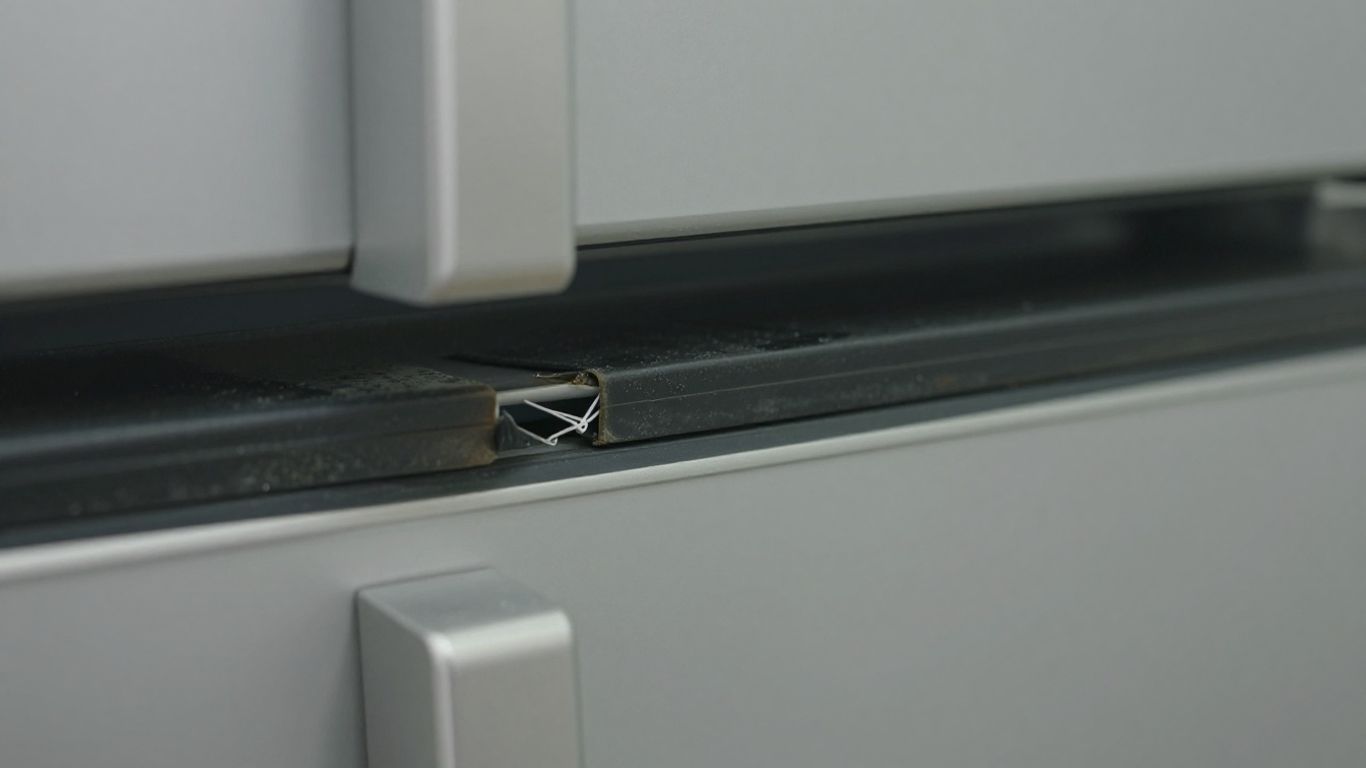
Take a peek at your refrigerator door. See that rubbery strip all the way around the edge? That’s the gasket, and it’s super important for keeping the cold air in and the warm air out. If it’s not sealing right, your fridge has to work overtime to stay cool, which means higher energy bills and, you guessed it, not-so-cold food.
A damaged or dirty door gasket is a common culprit when your refrigerator isn’t cooling properly. Over time, these gaskets can get dirty, warped, torn, or just plain worn out. Think about how many times a day you open and close that door! It’s a lot of wear and tear.
Here’s what to check:
- Cleanliness: Sometimes, all it needs is a good cleaning. Wipe down the gasket with warm, soapy water. Food bits or sticky spills can prevent a good seal.
- Damage: Look closely for any rips, tears, or cracks in the rubber. Even a small gap can let a lot of cold air escape.
- Warping: Does the gasket look misshapen or pulled away from the fridge frame? This can happen if it gets too hot or is just old.
- The Paper Test: Close the door on a piece of paper. If you can pull it out easily, the seal isn’t tight enough in that spot. Try this all around the door.
If you find that your gasket is dirty, a good cleaning might do the trick. But if it’s torn or warped, it’s probably time to replace it. A faulty door seal can really mess with your fridge’s ability to keep things cold, and replacing it is often a straightforward fix that can make a big difference. You can often find replacement gaskets online or through appliance parts suppliers. For more involved issues or if you’re not comfortable doing it yourself, calling a professional for refrigerator repair is a good idea.
3. Door Gasket
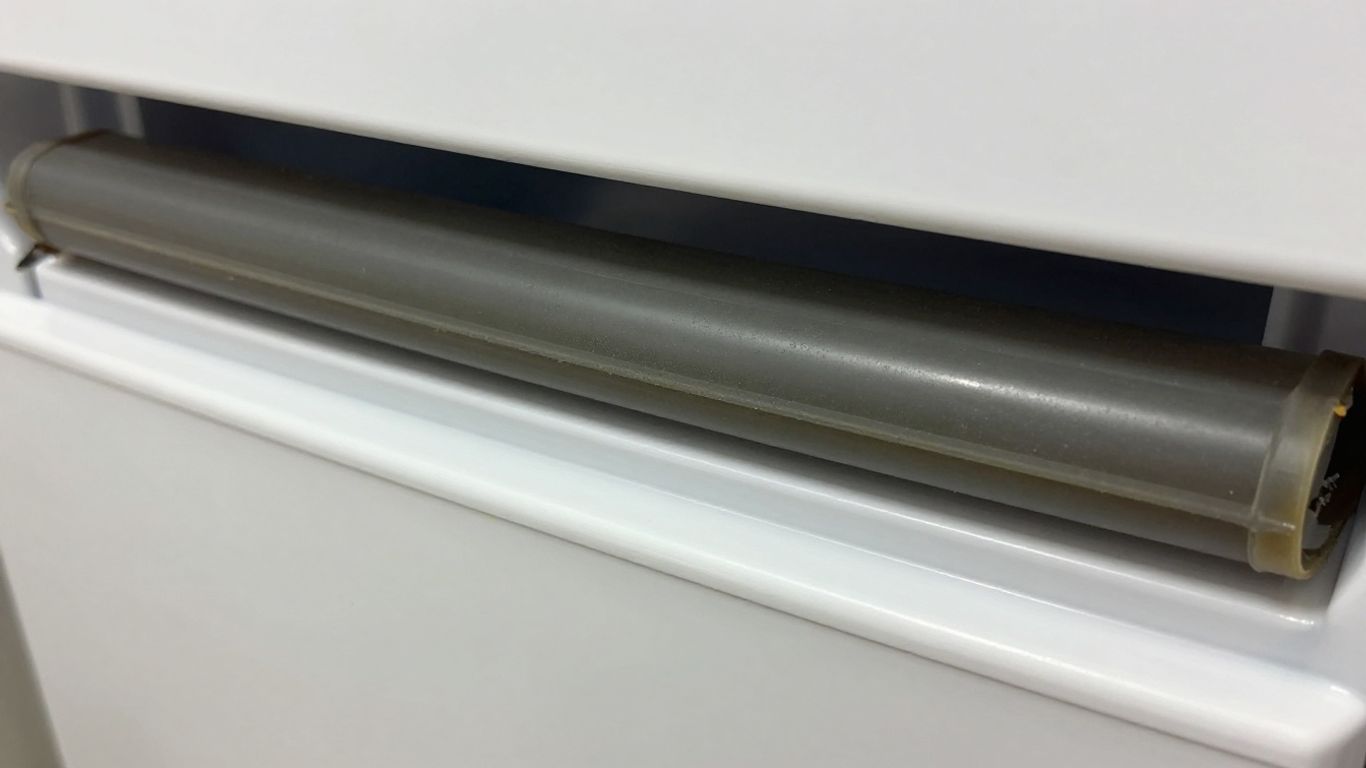
You know that rubbery strip around your refrigerator door? That’s the gasket, and it’s a pretty important player in keeping your fridge cold. Its main job is to create a tight seal, stopping all that nice, cold air from escaping and warm, humid air from getting in. If this seal isn’t working right, your refrigerator has to work overtime to stay cool, which means higher energy bills and, you guessed it, warmer food.
Over time, these gaskets can get dirty, warped, or even tear. Think about how often you open and close that door – it takes a beating! When a gasket isn’t sealing properly, you might notice condensation building up around the door, or maybe your fridge just doesn’t feel as cold as it should. It’s a simple part, but a faulty one can really mess with your appliance’s performance.
Here’s what to look for:
- Dirt and Grime: Sometimes, all it needs is a good cleaning. Food bits and spills can get stuck in the gasket, preventing a good seal.
- Warping or Cracks: Check for any visible damage. If the gasket looks misshapen or has little tears, it’s probably time for a replacement.
- The "Paper Test": A simple way to check the seal is to close the door on a piece of paper. If you can pull the paper out easily, the seal is weak in that spot. Try this all around the door.
If you find that your door gasket is damaged or just not sealing like it used to, it might be time to consider replacing the refrigerator door gasket. It’s often a fixable issue that can make a big difference in how well your fridge cools.
4. Thermostat
The thermostat in your refrigerator is like its brain, telling it when to cool and when to take a break. If your fridge isn’t getting cold enough, or if it’s running constantly without reaching the right temperature, the thermostat could be the culprit. It’s a pretty important little part that controls the whole cooling cycle.
When the thermostat isn’t working right, it might not be sending the signal to the compressor to turn on, or it might be telling it to run longer than it should. This can lead to inconsistent temperatures, which is no good for keeping your food fresh.
Here are a few things that can go wrong with a refrigerator thermostat:
- It’s set incorrectly: Sometimes, the simplest fix is the right one. Double-check that the temperature dial or digital setting hasn’t been accidentally bumped or changed. You want it set to a cool, but not freezing, temperature.
- It’s faulty: Over time, these components can wear out. If you’ve checked the settings and everything else seems fine, the thermostat itself might need replacing. This is a common reason for refrigerator repair needs.
- It’s blocked: Dust or debris can sometimes get into the thermostat’s sensing area, making it think the fridge is colder than it actually is. This can prevent the cooling system from kicking in when needed.
If you suspect your thermostat is on the fritz, it’s often best to call in a professional. They can test it accurately and replace it if necessary, getting your fridge back to keeping things nice and chilly.
Checking and adjusting your thermostat settings is a straightforward step, and if that doesn’t solve the problem, it’s a good indicator that a technician might be needed to properly diagnose and fix your appliance.
5. Compressor
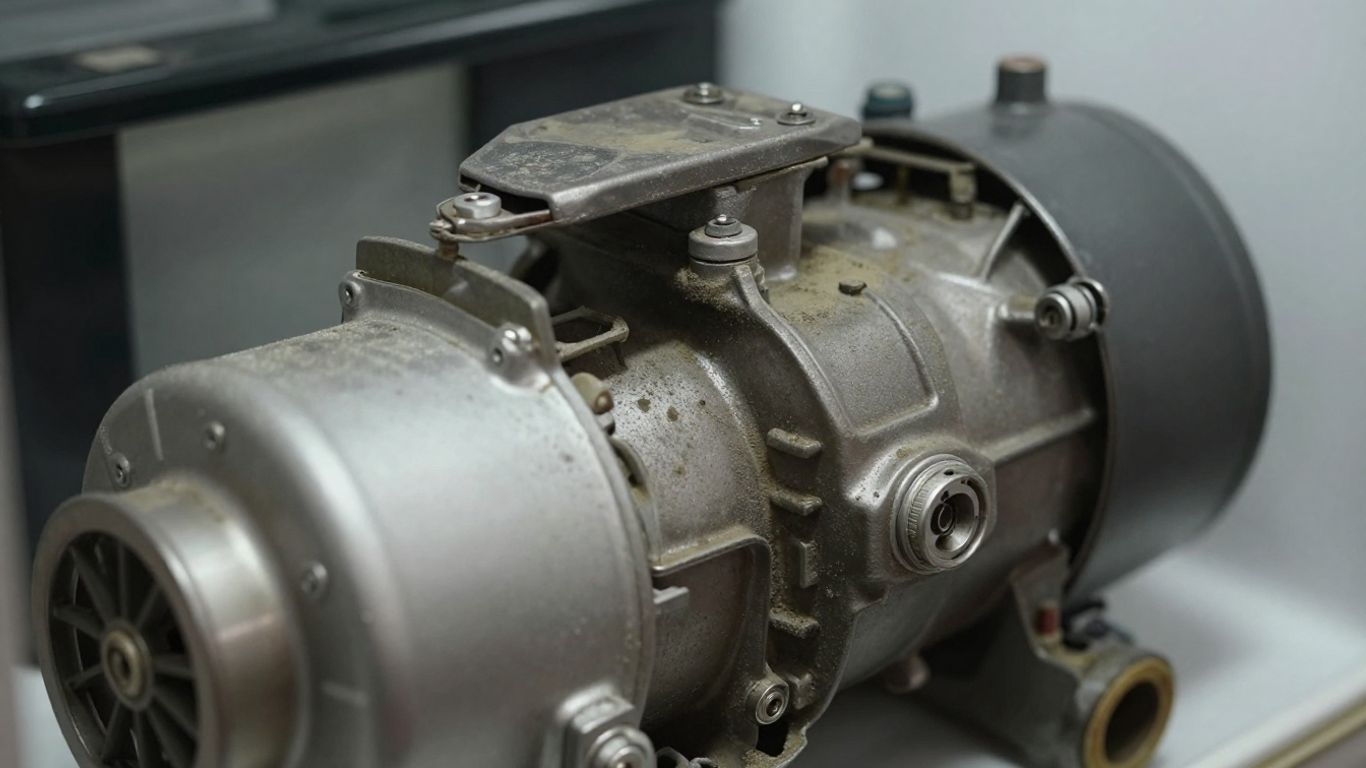
The compressor is often called the heart of your refrigerator. It’s a pretty important part, responsible for circulating the refrigerant that keeps everything cool. If your fridge isn’t getting cold, a faulty compressor could definitely be the culprit.
Think of it like this: the compressor takes the cool, low-pressure refrigerant and squeezes it, turning it into a hot, high-pressure gas. This hot gas then travels to the condenser coils (usually at the back or bottom of your fridge) where it cools down and turns back into a liquid. This cycle is what removes heat from inside your refrigerator.
When the compressor isn’t working right, this whole cooling process stops. You might notice your fridge is warm inside, or maybe it’s making unusual noises like buzzing or clicking. Sometimes, it might even seem like the fridge is running constantly but not cooling.
Here are a few signs that might point to compressor trouble:
- Fridge is warm, but the freezer is still cold: This can happen if the compressor is struggling but not completely dead.
- Unusual noises: Loud buzzing, humming, or clicking sounds coming from the back or bottom of the fridge.
- Fridge runs constantly but doesn’t cool: The compressor might be trying to work but isn’t effectively circulating refrigerant.
- High energy bills: A struggling compressor can use a lot more electricity.
Diagnosing compressor issues can be tricky, and it’s often a job best left to the pros. If you suspect your compressor is the problem, it’s a good idea to get it checked out by a qualified technician. They have the tools and knowledge to safely test the compressor and determine if it needs repair or replacement. For expert help with refrigerator repair in the Portland area, you can reach out to a service like Pacific Appliance Solutions.
A failing compressor is a serious issue that can lead to food spoilage and higher energy costs. It’s one of those components where professional diagnosis is usually necessary to avoid further damage or safety risks.
6. Defrost Timer
Ever notice a thick layer of frost building up in your freezer, even when it’s not supposed to? That might be a sign that the defrost timer is acting up. This little component is pretty important; it tells your refrigerator when to go into defrost mode to melt away any ice that’s accumulated. If it gets stuck or malfunctions, your fridge might keep trying to cool without ever defrosting, leading to that icy buildup.
When the defrost timer isn’t working right, you might see a few key things happening.
Here are some common signs that point to a faulty defrost timer:
- Excessive Frost Buildup: This is the most obvious clue. Ice forms on the back wall of your freezer, making it hard to close the door or take up valuable space.
- Refrigerator Not Cooling Properly: If the ice buildup gets too thick, it can actually block the airflow from the freezer to the refrigerator section, making the fridge part warm.
- Appliance Runs Constantly: The fridge might not be able to cycle off properly because it’s stuck in a cooling mode without ever entering the defrost cycle.
The defrost timer is essentially a small motor with a set of contacts that cycles the refrigerator’s defrost heater on and off. It’s designed to activate for a short period every so often to prevent ice from accumulating. If this timer fails, it can disrupt the entire cooling process.
Replacing a defrost timer isn’t usually a super complicated job, but it does involve working with electrical components. If you’re not comfortable with that, it’s always best to call in a professional. Getting your refrigerator repair sorted out quickly can save you a lot of hassle and potential food spoilage. For folks around Portland and Vancouver, reliable help is available.
7. Start Relay
Sometimes, your refrigerator might hum but not actually cool. This can often point to a problem with the start relay. Think of the start relay as the little guy that gives the compressor that initial kick to get going. It’s a small but mighty component that plays a big role in your fridge’s cooling cycle.
When the start relay goes bad, the compressor might try to start, make a clicking noise, or just do nothing at all. If you hear a rattling sound coming from the relay itself, that’s usually a pretty clear sign it’s failed. The internal ceramic parts can shatter, and when that happens, it’s time for a new one.
Here’s a quick rundown of what might be happening if you suspect the start relay:
- Compressor won’t start: The most common symptom. The relay is supposed to send power to the compressor, and if it’s faulty, that power never gets there.
- Humming but no cooling: The compressor might be getting power intermittently or not at all, leading to that frustrating hum without any actual cooling action.
- Clicking sound: Sometimes, a failing relay will click repeatedly as it tries and fails to engage the compressor.
Diagnosing a faulty start relay often involves testing its continuity. If you’re comfortable with basic electrical testing, you might be able to check it yourself. However, if you’re not experienced with appliance repair, it’s best to call in a professional. Messing with electrical components can be dangerous if you don’t know what you’re doing.
Replacing a start relay is usually a straightforward fix for a trained technician. If your refrigerator is acting up and you suspect this might be the issue, don’t hesitate to reach out for help. Getting this small part fixed can often get your whole refrigerator back to keeping things nice and cold. For reliable refrigerator repair in Portland, you can contact Pacific Appliance Solutions.
8. Water Inlet Valve
Sometimes, the reason your refrigerator isn’t cooling properly isn’t about temperature settings or fan issues. It could be something as simple as the water inlet valve. This little part is responsible for letting water into your fridge, usually for the ice maker or water dispenser. If it gets clogged or stops working right, it can cause all sorts of problems, including affecting how well your fridge cools.
A faulty water inlet valve can lead to no ice, slow ice production, or even water leaks, which indirectly impacts cooling.
Here’s why it matters and what to look for:
- Clogs: Mineral deposits from your water supply can build up inside the valve over time. This blockage restricts water flow, meaning your ice maker might not get enough water, or the dispenser might dribble. If the valve is completely blocked, no water gets through at all.
- Electrical Issues: The valve is controlled electronically. If the solenoid that opens and closes the valve fails, or if there’s a problem with the wiring leading to it, the valve won’t operate.
- Mechanical Failure: Like any mechanical part, the valve can wear out or break. This could mean it gets stuck open, stuck closed, or just doesn’t seal properly.
If you notice that your ice maker isn’t producing ice like it used to, or if your water dispenser is acting up, the water inlet valve is definitely worth checking. Sometimes, a simple cleaning or replacement of this part can get your refrigerator’s water and ice functions back on track and help maintain proper cooling. For many homeowners in the Portland area, dealing with these smaller components is part of keeping their appliances running smoothly. If you’re not comfortable troubleshooting this yourself, there are local experts who can help with ice maker repair and other refrigerator issues.
Don’t Let a Warm Fridge Ruin Your Day
So, if your refrigerator has decided to take a break from keeping things cool, don’t panic. We’ve walked through some of the most common reasons this happens right here in Portland. Often, it’s something simple you can check yourself, like a dirty condenser coil or a door seal that’s lost its grip. But if you’ve gone through the list and still have a warm fridge, or if you’re just not comfortable poking around, that’s okay too. Give us a call at Pacific Appliance Solutions. We’re your neighbors, and we’re here to help get your fridge back to chilling your groceries like it should. We can usually get someone out to you the same day to take a look.
Frequently Asked Questions
My refrigerator isn’t cold enough. What’s the first thing I should check?
Start by looking at the condenser coils. These are usually found on the back or underneath your fridge. If they’re covered in dust and gunk, they can’t release heat properly, making your fridge work harder and cool less effectively. Cleaning them might solve the problem!
How do I know if the door seal is bad?
You can check the door seal, or gasket, by closing the door on a piece of paper or a dollar bill. If you can pull it out easily, the seal is likely worn out. A bad seal lets cold air escape and warm air get in, making your fridge struggle to stay cool.
What is the evaporator fan, and why is it important for cooling?
The evaporator fan is inside your freezer compartment. It blows cold air from the freezer into the refrigerator section. If this fan stops working, the fridge won’t get the cold air it needs, and your food won’t stay cold.
Could a simple thermostat issue be causing my fridge to not cool?
Yes, it’s possible! The thermostat tells your fridge when to turn on and off to maintain the right temperature. If it’s set incorrectly or has malfunctioned, it might not signal the cooling system to run when it should.
How much does it typically cost to fix a refrigerator?
The cost can vary a lot, but generally, you’re looking at anywhere from $100 to $1500. This depends on what part needs fixing or replacing. There’s usually a diagnostic fee, but it often gets put towards the repair cost if you decide to go ahead with it.
Can I get my refrigerator fixed the same day I call?
Many repair services offer same-day appointments, especially for common issues. If the needed part is in stock, it’s often possible to get your fridge up and running again within a few hours. However, if a special part has to be ordered, it might take a week or two.