 (360) 518-0254Dispatcher 7 AM – 7 PM · AI after hours
Same-Day Appliance Repair in Portland, OR
No surprise feesYour OK firstNo call center
Technicians on both sides of the river. Our Portland-side team covers the whole city, St. Johns to Sellwood and the Pearl to Lents, plus Beaverton, Fairview and Troutdale. Book online any time, day or night.
How a visit works
No call center, no mystery pricing. The same four steps on every job.
Book online any time, day or night, or call. A dispatcher answers 7 AM – 7 PM and our AI receptionist after hours. Same day for most calls before noon.
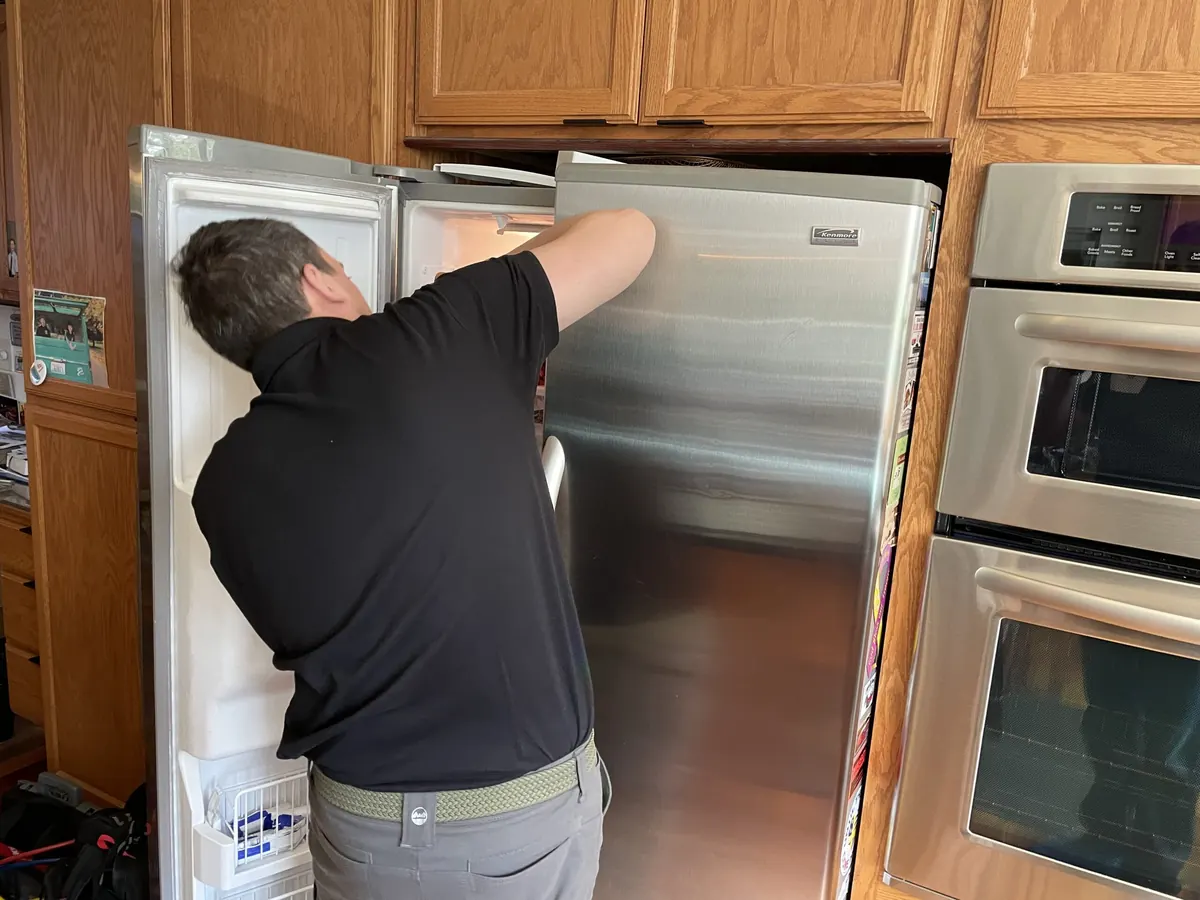
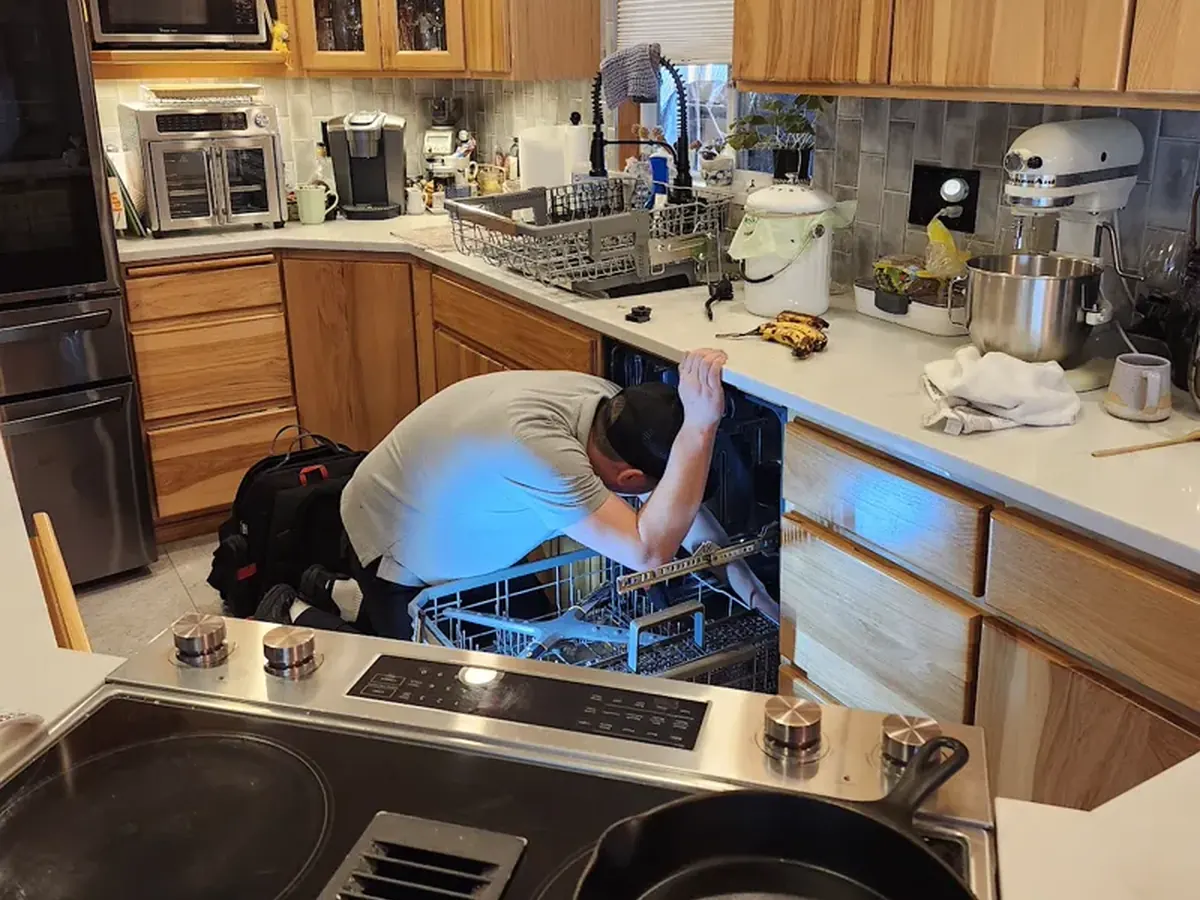
Factory-trained on the major brands, licensed, bonded and insured. Our Portland-side team covers the city and its close suburbs.
Full inspection, then a written parts-and-labor price before anything is touched. Say no and the $99 is all you owe.
Approve it and the $99 is waived. 30-day labor warranty, manufacturer's warranty on parts.
Appliance repair in Portland, OR: what we fix
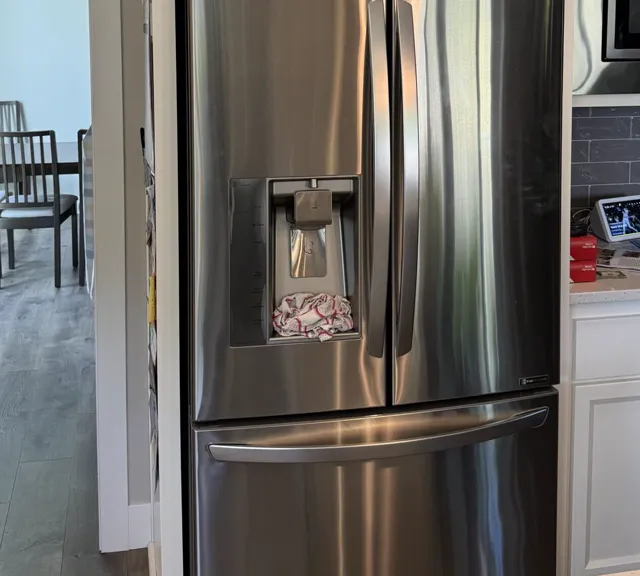
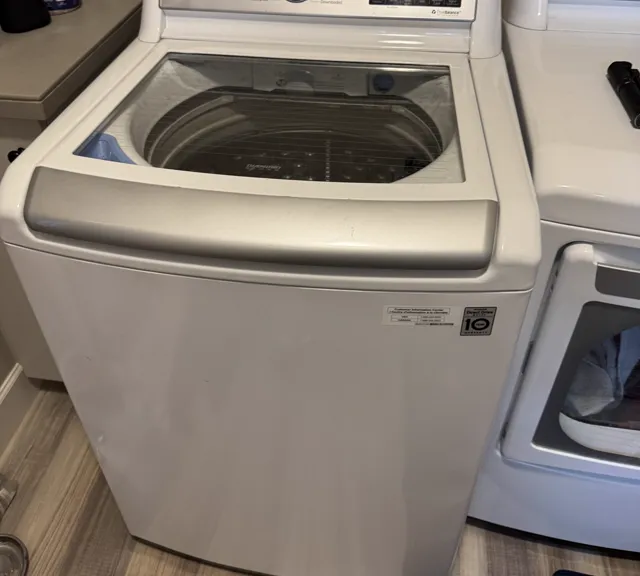
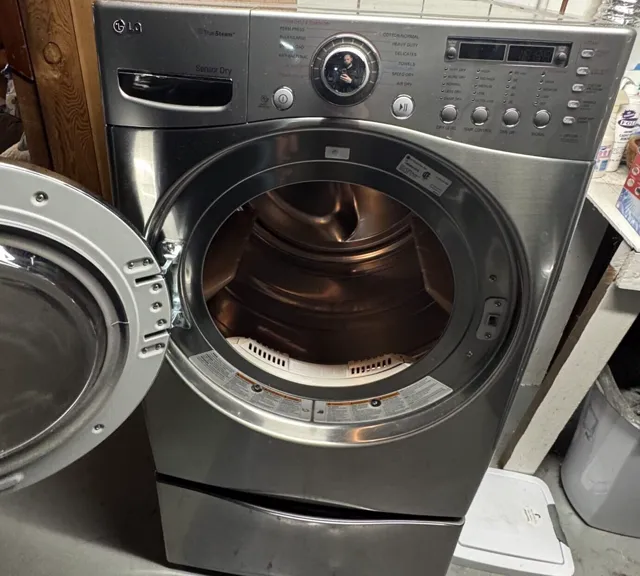
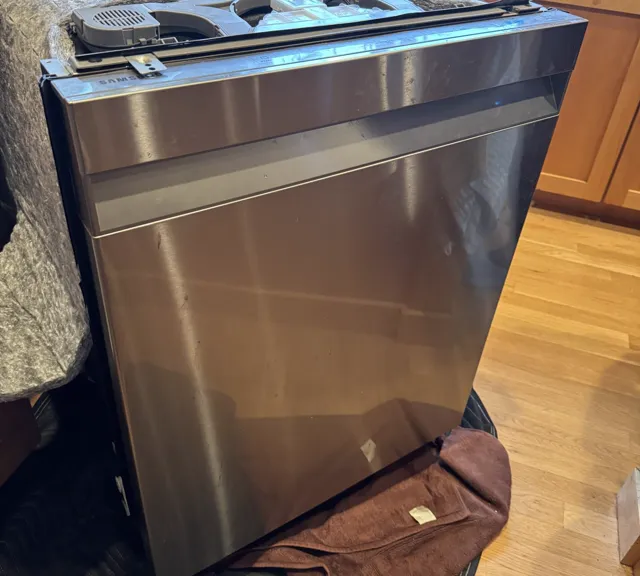
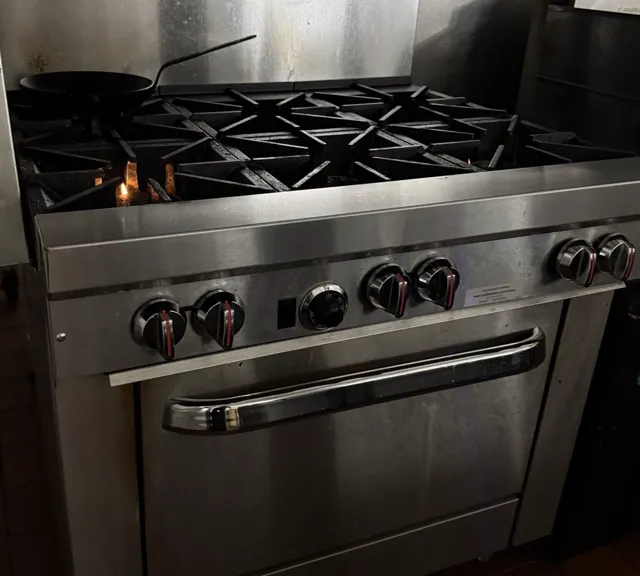
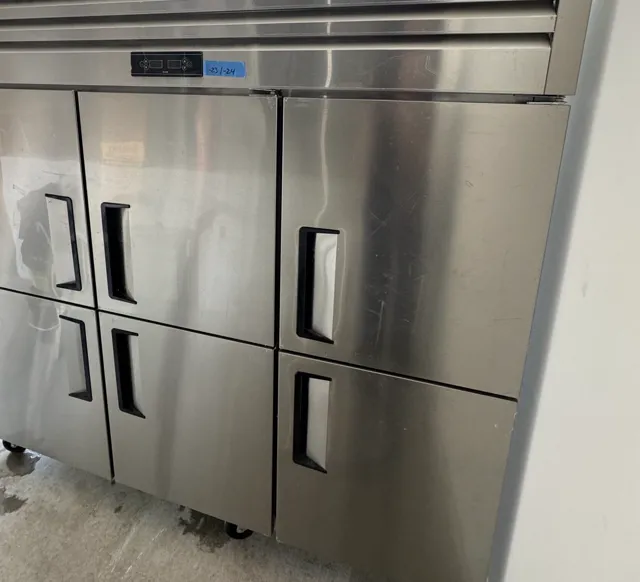
Refrigerator, ice maker, washer, dryer, dishwasher, oven and freezer repair across Portland, for houses, condos, ADUs and rentals, plus reach-ins, ice machines and dish machines for the city’s restaurants and bars. Tap one to start booking.
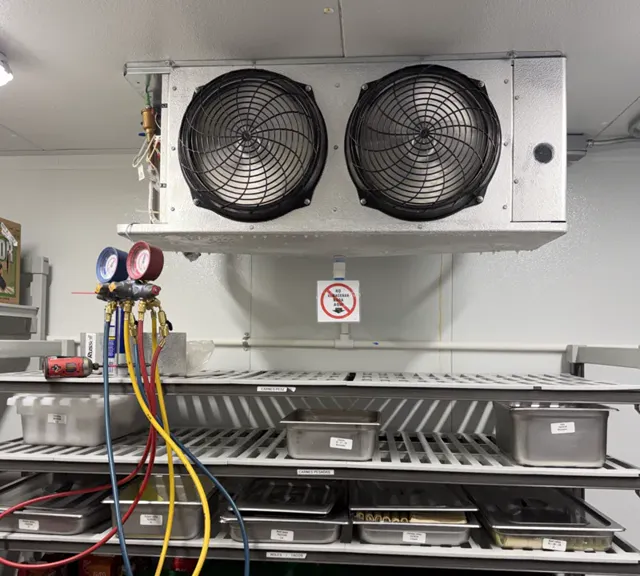
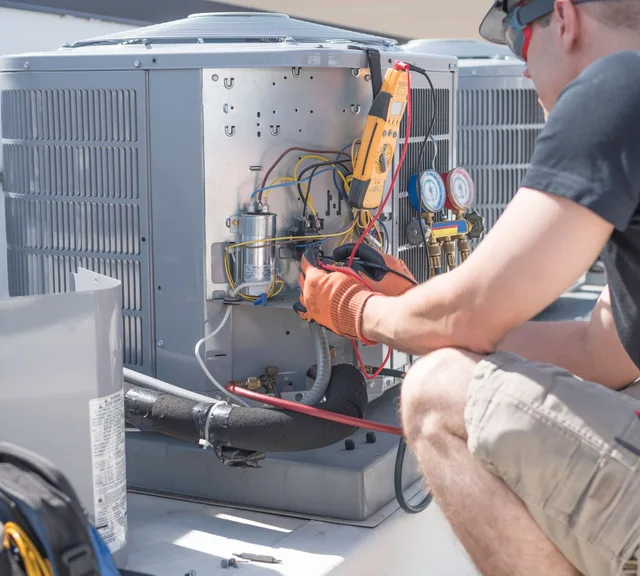
More from us: refrigerator repair in Portland · ice maker and ice machine repair · appliance repair in Beaverton · appliance repair in Fairview · appliance repair in Troutdale · commercial refrigeration repair · commercial kitchen equipment repair · refrigerator not cooling · washer leaking from the bottom · dryer not heating
The usual repair-call headaches, and what we do instead
- A surprise fee when the tech arrives$99 diagnostic, stated up front. Waived when you approve the repair.
- A price that grows after the work startsA written flat-rate quote before anything is touched.
- A call center that has never heard of your townTechnicians on both sides of the river. A dispatcher answers 7 AM – 7 PM, our AI receptionist after hours.
- Waiting days for someone to show upSame day for most calls before noon, 7 days a week.
- Being pushed to buy a new applianceHonest repair-or-replace advice. If the fix is not worth it, we tell you, and the $99 is all you pay.
Local, not a call center.
- Technicians on both sides of the river: a Portland-side team for the city, Beaverton, Fairview and Troutdale, and a Camas-Vancouver team across the Columbia, so a same-day visit means today, not "next week".
- Factory-trained technicians on the major brands: Samsung, LG, Whirlpool, GE, Bosch, KitchenAid and more.
- Licensed, bonded and insured. BBB accredited. 2026 Quality Business Award, appliance repair in Camas.
- Honest repair-or-replace advice. If the fix is not worth it, we tell you, and the $99 is all you pay.
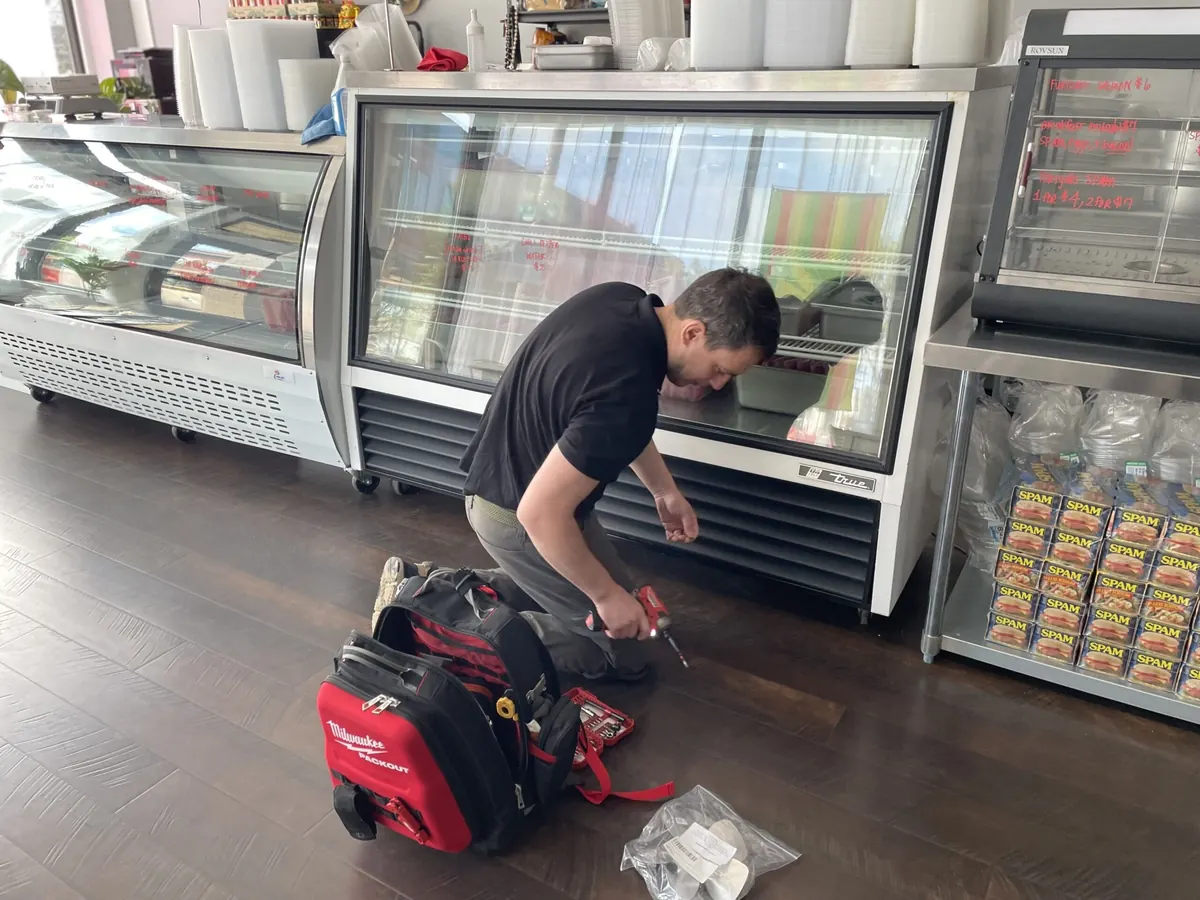
Who's coming to your door
You are letting someone into your home. Here is what to expect.
- A dispatcher calls you first and confirms the exact time by phone.
- A local technician arrives: factory-trained, licensed, bonded and insured, from our Portland-side team.
- You get the price in writing first. Full inspection, then a written price before anything is touched.
Nikolai showed up promptly as scheduled. He was friendly, courteous and performed a thorough examination of the troublemaking appliance.
When he found the problem he showed it to me and explained what he was going to do to fix it.
Respectful the Space and super polite.
Factory-trained on every major brand sold in the Pacific Northwest.







Bosch and most other makes too. Not sure about yours? Book anyway and the dispatcher confirms on the call-back.

BusinessRate award winner
Clark County's Best of 2026 for appliance repair
BusinessRate ranks local businesses on their Google reviews: lifetime rating, the last 90 days and review quality. For 2026 it named us the Best of 2026 for appliance repair service in Clark County, Washington.
What customers say
Pulled from our Google reviews. Names as the customers wrote them.
Your technician was prompt, polite, friendly, and obviously very competent. He was able to fix an ignitor issue on our Elmira stove when a replacement part was not available.
Sergio is a absolute gem he came by and got my dryer running on a Sunday and Pacific Appliance has just got a life long customer
When our fridge stopped working they were here next day, diagnosed the problem quickly and got our fridge back in working order. Great team. Have your problem solved the first time.
Where we go in Oregon
Portland neighborhoods, the suburbs beside them and the rest of our Portland-metro area. Not on the list? Put your ZIP in the booking form and we will tell you right away.
Portland neighborhoods
- St. Johns & North Portland
- Alberta & Concordia
- Hollywood & Laurelhurst
- Pearl District & downtown
- Hawthorne & Division
- Sellwood-Moreland
- Montavilla
- Lents & Woodstock
- Parkrose & Argay
Around Portland
Every Portland ZIP code comes back as covered in the booking form. Gresham, Milwaukie, Lake Oswego, Tigard, Happy Valley or Oregon City? Put your ZIP in the form and the dispatcher confirms on the call-back. In Washington? See Vancouver appliance repair, across the I-5 and I-205 bridges.
Questions people ask before booking
Portland questions: ice that clumps, a damp basement laundry, a vintage range, soft Bull Run water and the Gresham line.
Your address is in Camas, Washington. Who actually comes to a Portland job, and does crossing the river add anything to the bill?
The Portland-side team, and nothing is added. Our technicians are based in Portland and across the river in Camas and Vancouver, and a Portland address goes to the Portland side when you book, so the technician is starting the day on your side of the Columbia. Until you approve a written quote you owe the $99 diagnostic and nothing more, and it is waived when you do. The person at your door is a technician from Pacific Appliance Solutions, factory-trained and licensed, bonded and insured, and the repair carries the same 30-day labor warranty as every job we do on either side of the river.
The ice maker fills the bin, but the ice fuses into one block and the dispenser jams. Is the ice maker failing?
Probably not; fused ice is a melting-and-refreezing problem, and most of the causes are not faults. A bin that sits for days without being used lets the cubes on top sweat a little every time the door opens and weld together; on some models the defrost cycle warms the freezer enough to do the same. Empty the bin, let it refill, and use the ice regularly, or dump it before a long trip. If fresh ice clumps within a day, the freezer is not holding temperature, a door gasket is leaking warm air in, or the dispenser's auger motor is not turning the bin over. Stop forcing the dispenser against a block, because that strips the auger coupling and turns a free fix into a part. If it comes back after the bin has been emptied once, book it; the technician checks the freezer temperature, the gasket and the dispenser drive before quoting anything.
Our front-load washer is in the basement of an old Southeast Portland house, and the rubber door seal has black mold and a sour smell. Repair or just clean it?
Cleaning first, and then a look at where the washer lives. The door boot on a front-loader holds a spoonful of water after every cycle, and in a basement that stays damp through a Portland winter it never dries out, so mold grows in the fold. Pull the lip back and clear what has collected, wipe the fold with a diluted bleach solution, run the tub-clean cycle with the cleaner the maker names, use only the dose of high-efficiency detergent the cap marks, since extra suds feed the film, and leave the door ajar between loads. Clean the drain pump filter behind the little door at the front as well; a sour smell often starts there. A boot that is torn, cracked where it folds, or stained black into the rubber is a repair, and the technician replaces it as a standard part. If a thorough cleaning holds for only a week, the drain hose or the standpipe may be letting sewer air back into the machine, and that is the plumber's side of the line; you will be told so.
In winter, water drips out of the dryer vent connection behind the dryer. Is the dryer leaking?
Almost always condensation, not a leak. The dryer pushes warm, wet air into the duct, and wherever that duct runs through a cold crawlspace, an unheated basement or an outside wall, the moisture condenses on the inside of the pipe, runs back downhill and drips out at the lowest joint, which is usually the one behind the dryer. A long run, a sagging flexible duct that holds a puddle, or a duct partly blocked with lint so the air moves slowly and cools all make it worse. Check that the outside flap opens freely and that the duct climbs toward the wall with no low spots. If the duct is clear and short and water still appears, the dryer may be running longer and cooler than it should, and the technician checks how much air the dryer is actually moving and says whether the machine or the duct is at fault. Rerouting or insulating the duct is not part of an appliance repair, and the technician will say so rather than guess at it.
We have a 1950s O'Keefe & Merritt gas range in our Alberta bungalow. Is a vintage range something you work on?
Ask the dispatcher first, with the make, the model and a photo of the range and its data plate if you can find it. Ranges from the 1940s and 1950s are mechanically simple, and a pilot that will not stay lit, a burner valve that sticks or an oven thermostat that has drifted are faults any technician understands; the difficulty is parts, which no longer come from a maker and often have to be found through a specialist or rebuilt. You hear before anything is scheduled whether it is one we will take on, so you are not booked for a range we already know we cannot get parts for. If it is, the technician tells you at the visit what can be repaired with what is available and what would need a restorer, with the price in writing before anything is done.
Every glass comes out of our dishwasher with a white film. Is Portland water hard, or is the dishwasher failing?
Neither, most of the time; it is usually too much detergent. Portland's water from the Bull Run watershed is soft for most of the year, and soft water needs far less detergent than the box assumes. The excess leaves a white film on glasses and on the inside of the door that looks like mineral scale but wipes off with vinegar. Cut the dose by about half, make sure the rinse-aid reservoir is full, and if your dishwasher has a water-hardness setting, set it to soft. Film that vinegar does not touch is etching, permanent damage to the glass from too much detergent and very hot water, and nothing on the dishwasher fixes it. In late summer the city sometimes blends in groundwater from its well field, which is harder, so a little real scale can appear for a few weeks and then stop. A dispenser door that does not open, a heater that does not reach temperature or a wash arm that has stopped turning is a different story and a repair, and the technician tests those before quoting.
The refrigerator in our 1910s kitchen sits in an alcove built for an icebox and cannot be pulled out. Can it still be repaired in place?
Yes, for most faults. Nearly everything on a modern refrigerator is reached from the front or the inside: the evaporator and its fan behind the back wall of the freezer, the thermostat, the gaskets and the ice maker. The exceptions are the compressor, its start components, the condenser fan and the water inlet valve at the bottom back, and on many models the main control board behind the rear cover, which need the refrigerator to come forward far enough to reach behind it. An alcove sized for an old icebox, or a fridge hemmed in by a counter on one side and a wall on the other, usually still allows that if the water line and the cord have some slack; the technician decides at the door and tells you if anything has to move first. One honest caveat is airflow: a refrigerator in a tight alcove with no gap above or behind runs hot and wears out early, and if the clearance is the cause of the fault, the technician will tell you so.
The door-type dish machine at our restaurant runs fine, but the racks come out wet and the glasses are spotted. What is going wrong?
Usually the final rinse, not the wash. On a high-temperature door machine the final rinse has to be hot enough and hard enough to flash-dry the ware, with rinse aid to make the water sheet off; wet racks and spots mean one of those three is short. Check the rinse-aid container and the tube to its pump first, then the rinse-arm nozzles, which clog with scale and lemon seeds. A rinse that reads under what the data plate asks for points at the booster heater or its thermostat; weak rinse pressure points at a clogged inlet screen or a tired rinse pump. On a chemical-sanitizing machine the same symptom usually means the rinse-aid or sanitizer pump has lost its prime. Book it as a commercial unit; the technician measures rinse temperature and pressure at the machine and quotes the part in writing before anything is touched.
Do you cover all of Portland, from St. Johns to Lents, and what about Gresham, Milwaukie, Lake Oswego or Tigard?
All of Portland proper is ours, from St. Johns and Linnton down to Sellwood and out to Lents and Parkrose; every Portland ZIP code comes back as covered as soon as it goes into the booking form, and the Portland-side team takes the visit. Beaverton, Fairview and Troutdale are covered as well and have their own pages. For the suburbs just past the city line, Gresham, Milwaukie, Lake Oswego, Tigard, Happy Valley and Oregon City, put your ZIP in the form or call: a dispatcher calls back and tells you whether your address is one we can take that week, and there is no charge for asking. An honest no beats a visit that never happens.
Our heat pump is running but the house is not getting warm. What should I check before booking an HVAC visit in Portland?
Three things, in this order: the air filter, which chokes airflow when it is packed; the breaker for the backup heat strips, which trips quietly and leaves the heat pump alone on a cold night; and the outdoor unit, which should be running with its fan turning and not buried in leaves or ice. A heat pump that still runs without heating in a cold snap is usually asking for a look at its defrost control, its outdoor sensor or a reversing valve, and that is a repair. If the outdoor unit is a block of ice, turn the system off so it can melt before the technician arrives. Book it as HVAC rather than an appliance so the right technician and the right parts come out.
The undercounter ice machine at our bar trips the breaker every time it tries to start. Is that the machine or the wiring?
Either, and the pattern tells you which. A compressor draws its largest current in the first second as it starts, and a start relay or capacitor that has weakened, a compressor whose windings are failing, or a condenser so clogged that the head pressure is high before the compressor is even moving, all turn that inrush into a trip. The other common cause is the circuit: an undercounter machine sharing a 20-amp circuit with a glass washer or a blender station trips when they coincide, and that is an electrician's work, not ours. Note whether it trips on its own or only when something else is running, and book it as a commercial unit; the technician measures the start current and checks the condenser and the start components before quoting. Do not keep resetting the breaker, because every stalled start heats the compressor windings a little more.
We keep a second refrigerator in the garage and the freezer part thaws out every winter. Why would cold weather stop a freezer freezing?
Because the thermostat is in the wrong place for a garage. A household refrigerator-freezer has one temperature control and it sits in the fresh-food section; when a Portland garage drops toward 40 degrees in a cold spell, the fridge compartment is already as cold as it wants to be, the compressor hardly runs, and the freezer, which only gets cold when the compressor runs, slowly warms. Most makers rate their refrigerators for rooms between roughly 55 and 110 degrees. Nothing is broken, and no repair changes it. The choices are a model sold as garage-ready, which has a small heater that keeps the control calling, a heater kit some makers sell for their own models, or simply moving the frozen food indoors for the cold weeks. A freezer-only unit does not have this problem, which is why chest freezers live happily in garages. If the garage is staying above 55 and the freezer still thaws, that is a fault, and the technician checks the defrost system and the evaporator fan.
Our gas oven smells of gas for a minute when it is preheating, then it is fine. Should I worry?
A faint whiff in the first seconds while the oven lights is normal on most gas ovens; a strong smell, or one that lasts beyond a minute, is not, and it most often means delayed ignition. The hot-surface igniter glows and lets gas flow only once it draws enough current to open the safety valve; an aging igniter glows but takes too long to get there, so gas flows across the burner for several seconds before it lights, and you smell it. The same igniter will eventually fail to light the oven at all, and it is a standard part. If you smell gas when nothing is lighting, or the smell fills the kitchen, do not light anything, open the windows, leave the house and call NW Natural's emergency line or 911 from outside; that is a leak, not an ignition fault, and the appliance technician comes after the gas utility has cleared it.
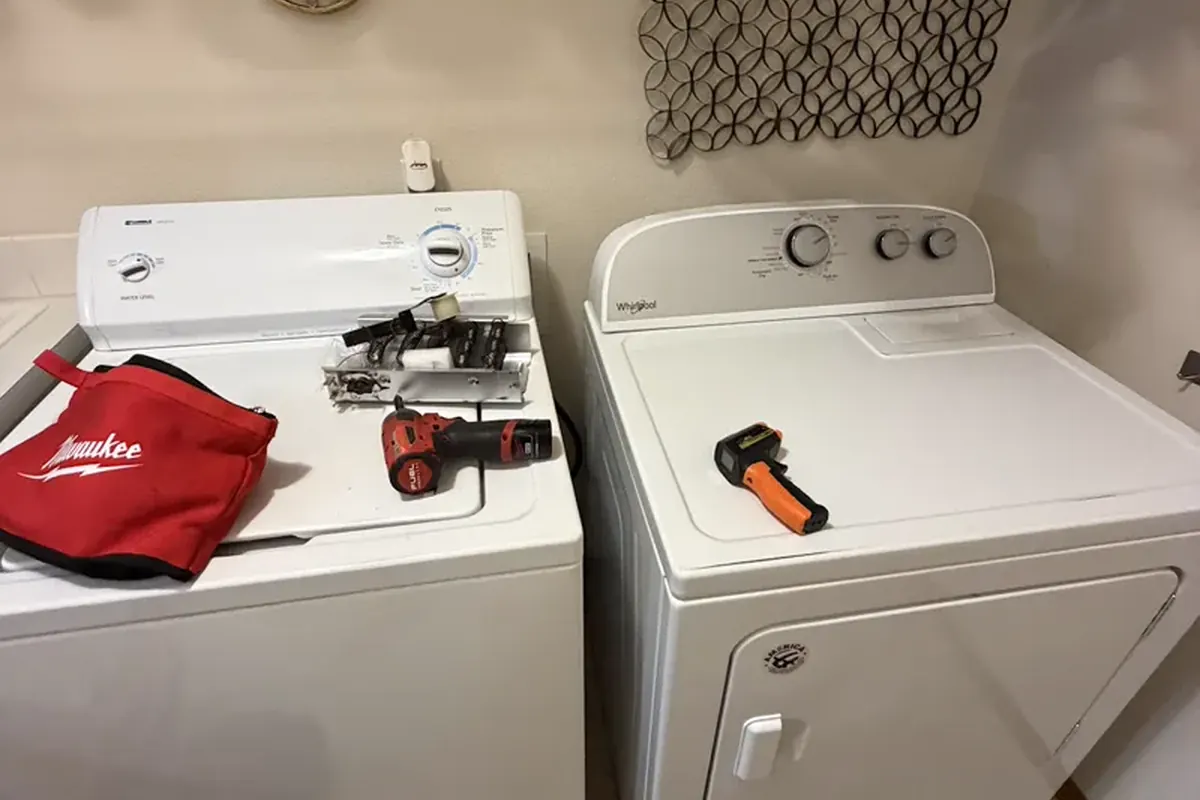
Our apartment has a one-piece stacked laundry center and the dryer half quit while the washer still runs. Is it one appliance or two?
One cabinet, two machines. A laundry center is a washer and a dryer built into one frame with a shared control panel, but the dryer has its own motor, heater, thermostats and belt, and they are repaired on their own; a dead dryer half does not mean the washer is in trouble or that the whole unit has to go. The same faults as on a stand-alone dryer apply: a blown thermal fuse from a restricted vent, a worn belt, a door switch or a failed heating element on an electric model. What is different is access, since the dryer is reached through the top or the front panel with the washer still underneath, so clear the space in front and tell the dispatcher it is a laundry center with the make and model. Parts for the common Whirlpool, GE and Frigidaire units are standard, and the written quote comes before any part is changed.
Broken appliance? Book a visit, often the same day.
Five quick questions, any time, day or night. Or call: a dispatcher picks up 7 AM – 7 PM, our AI receptionist after hours. $99 diagnostic, waived with repair.