 (360) 518-0254Dispatcher 9 AM – 9 PM Central · AI after hours
Same-Day Appliance Repair in Chicago, IL
No surprise feesYour OK firstNo call center
Refrigerator, washer, dryer, dishwasher and oven repair across Chicago, Rogers Park to Beverly and the lakefront to O'Hare, plus Evanston and Oak Park. Book online any time, day or night.
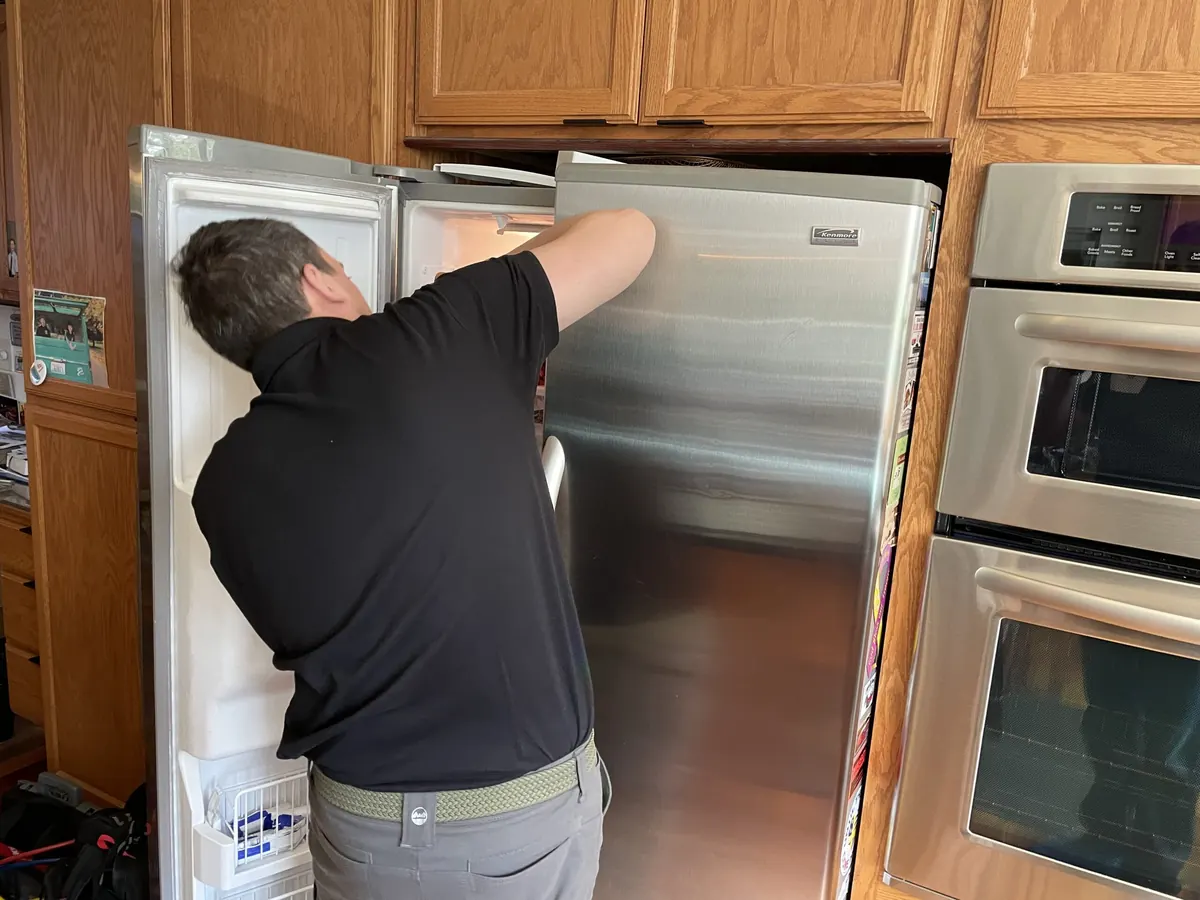
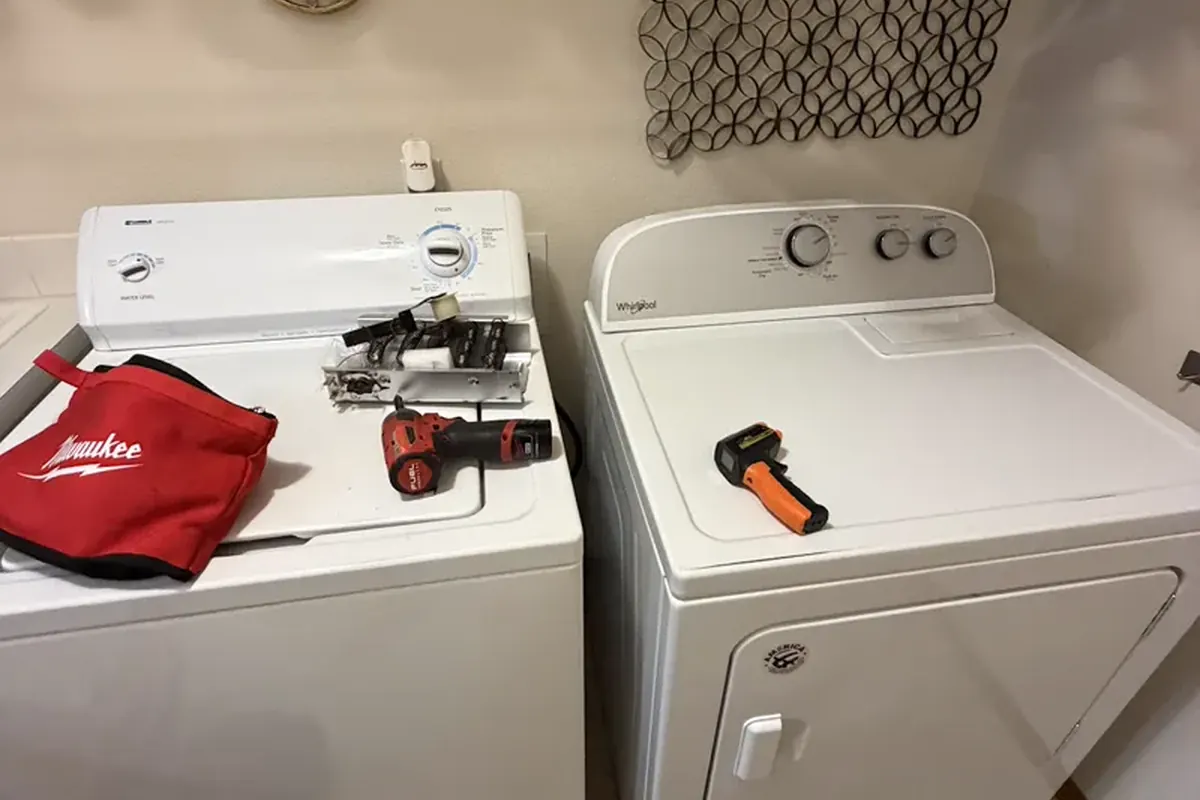
How a visit works
No call center, no mystery pricing. The same four steps on every job.
Book online any time, day or night, or call. A dispatcher answers 9 AM – 9 PM Central and our AI receptionist after hours. Same day for most calls before noon.
Factory-trained on the major brands, licensed, bonded and insured. Chicago, Evanston and Oak Park, condo tower or two-flat.
Full inspection, then a written parts-and-labor price before anything is touched. Say no and the $99 is all you owe.
Approve it and the $99 is waived. 30-day labor warranty, manufacturer's warranty on parts.
Appliance repair in Chicago, IL: what we fix
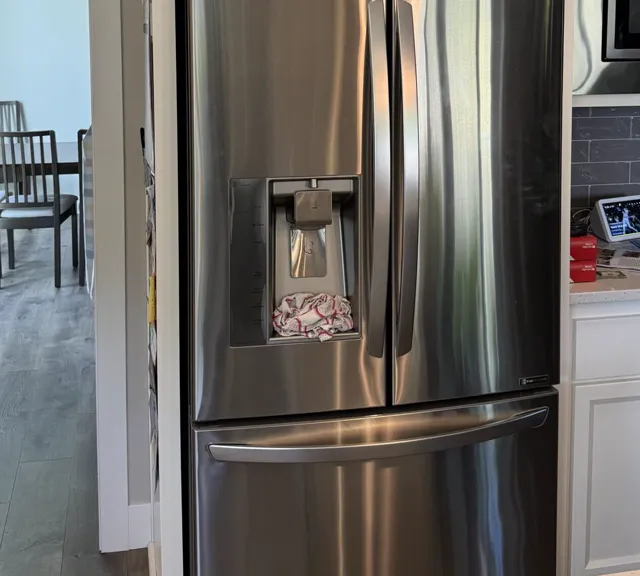
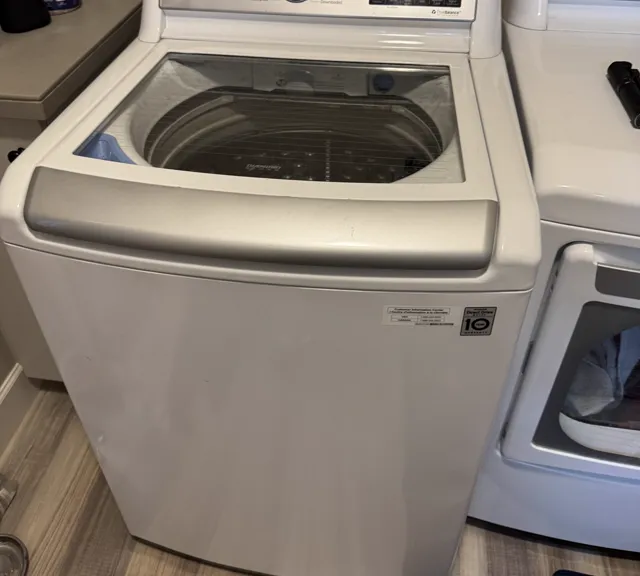
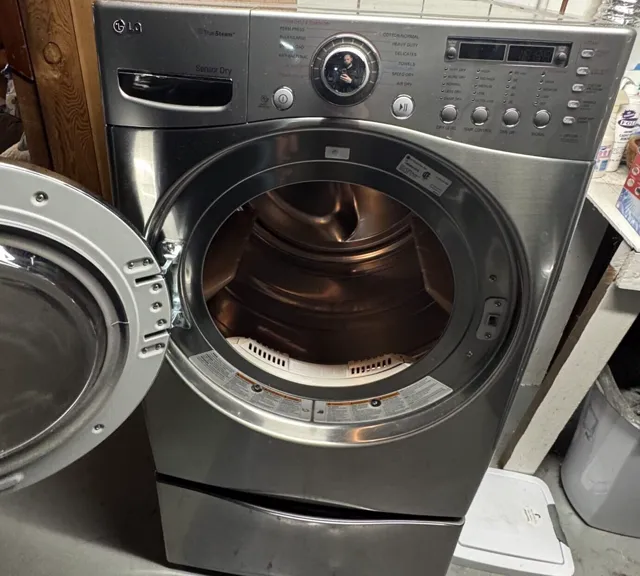
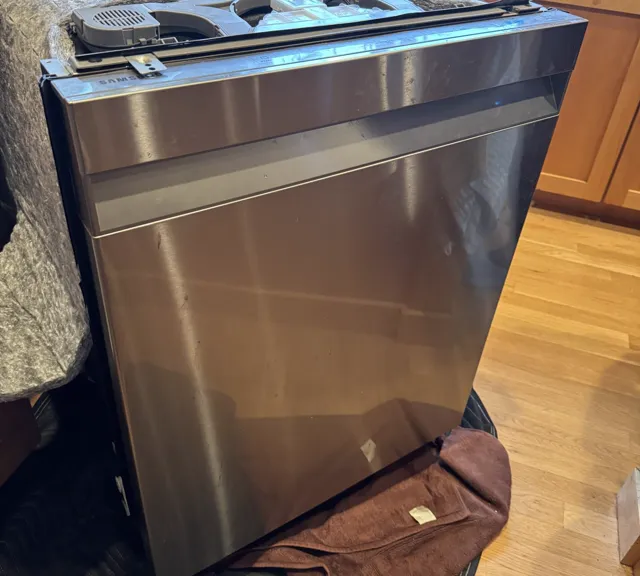
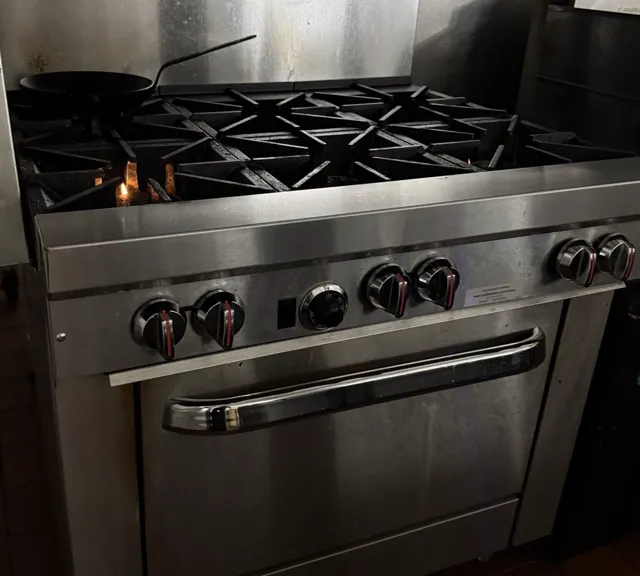
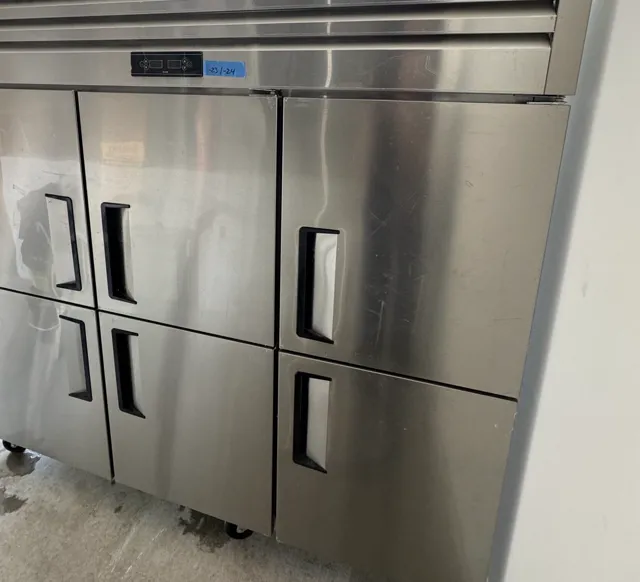
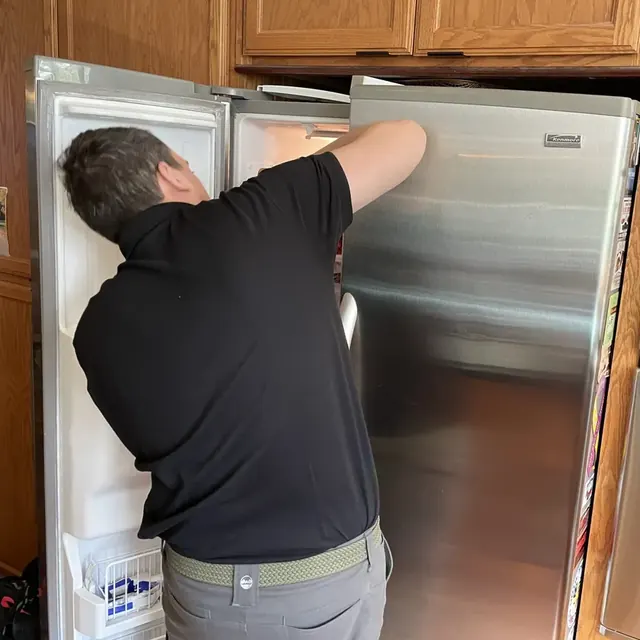
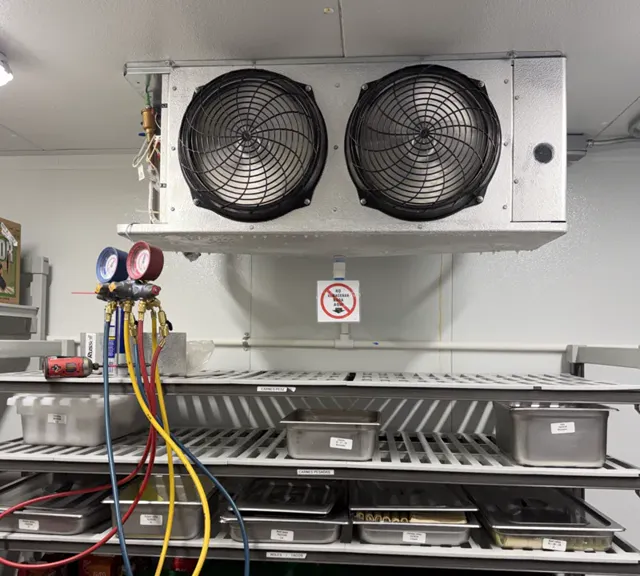
Refrigerator, washer, dryer, dishwasher, oven and freezer repair across Chicago, for condos, two-flats, bungalows and rentals, plus reach-ins, ice machines and dish machines for the city’s restaurants and bars. Tap one to start booking.
More from us: refrigerator repair · washer repair · dryer repair · dishwasher repair · oven, stove and range repair · ice maker and ice machine repair · microwave repair · washer leaking from the bottom · dryer not heating
The usual repair-call headaches, and what we do instead
- A service fee you only hear about at the door$99 diagnostic, stated up front. Waived when you approve the repair.
- A price that grows after the work startsA written flat-rate quote before anything is touched.
- A national call center reading from a scriptA dispatcher who books the visit on the first call. 9 AM – 9 PM Central, 7 days, our AI receptionist after hours.
- A two-week wait for the first open appointmentSame day for most calls before noon, 7 days a week.
- Being pushed to buy a new applianceHonest repair-or-replace advice. If the fix is not worth it, we tell you, and the $99 is all you pay.
A real repair company, not a lead broker.
- Chicago, Evanston and Oak Park: lakefront high-rises and the Loop, the two-flats and three-flats of the North and Northwest Sides, the bungalow belt, and the South Side from Hyde Park to Beverly. Put the ZIP in the booking form and it tells you on the spot.
- Factory-trained technicians on the major brands: Whirlpool, Kenmore, Samsung, LG, GE, Bosch, KitchenAid and more.
- Licensed, bonded and insured. BBB accredited. A written quote before the work, every time.
- Honest repair-or-replace advice. If the fix is not worth it, we tell you, and the $99 is all you pay.
Who's coming to your door
You are letting someone into your home, or buzzing them into your building. Here is what to expect.
- A dispatcher calls you first and confirms the day and the arrival window by phone. Tell them about the gate code, the doorman or the freight elevator then.
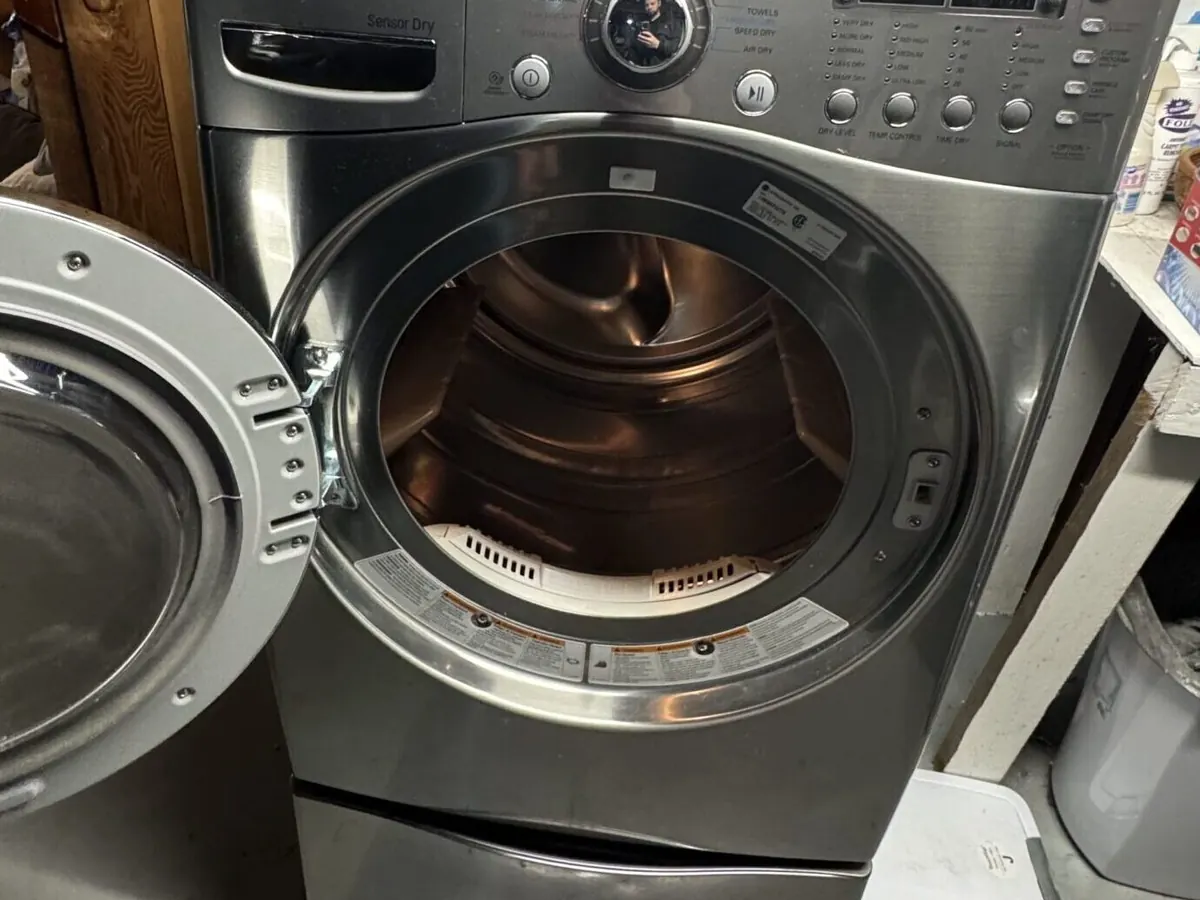
- A technician arrives: factory-trained, licensed, bonded and insured.
- You get the price in writing first. Full inspection, then a written price before anything is touched.
Anton was great! Solved the issues with my dishwasher quickly and for a fair price.
Ivan was friendly, efficient, and took great care with our oven.
They were very knowledgeable and fixed our refrigerator.
Factory-trained on the brands in Chicago kitchens and laundry rooms.




Bosch and most other makes too. Kenmore owners: the model plate tells us who built it, and the parts cross over. Not sure about yours? Book anyway and the dispatcher confirms on the call-back.
What customers say
Pulled from our Google reviews. Names as the customers wrote them.
Your technician was prompt, polite, friendly, and obviously very competent. He was able to fix an ignitor issue on our Elmira stove when a replacement part was not available.
Sergio is a absolute gem he came by and got my dryer running on a Sunday and Pacific Appliance has just got a life long customer
When our fridge stopped working they were here next day, diagnosed the problem quickly and got our fridge back in working order. Great team. Have your problem solved the first time.
Where we go in Chicago
The whole city, plus Evanston and Oak Park. Not on the list? Put your ZIP in the booking form and we will tell you right away.
North & Northwest Side
- Lincoln Park & Lakeview
- Logan Square, Bucktown & Wicker Park
- Uptown, Edgewater & Rogers Park
- Andersonville, Ravenswood & Lincoln Square
- Albany Park & Irving Park
- Avondale & Humboldt Park
- Portage Park, Jefferson Park & Norwood Park
- Edison Park & Sauganash
Downtown, West & South Side
- The Loop, River North & Streeterville
- Gold Coast & Old Town
- West Loop, West Town & Ukrainian Village
- South Loop, Pilsen & Bridgeport
- Bronzeville, Hyde Park & Kenwood
- Beverly & Mount Greenwood
- Evanston
- Oak Park
Every City of Chicago ZIP code, and every Evanston and Oak Park ZIP, comes back as covered in the booking form. Skokie, Cicero, Berwyn, Park Ridge or another suburb? Put your ZIP in the form and the dispatcher confirms on the call-back.
Questions people ask before booking
Chicago questions: the South Side, a three-flat lease, high-rise rules, permit parking, Lake Michigan water, ComEd storms, garage freezers and a Kenmore from Sears.
Do you really come to the South Side? We are in Beverly, and most repair companies seem to stop at the Loop.
Yes. Beverly, Mount Greenwood, Morgan Park, Hyde Park, Kenwood, Bronzeville, Bridgeport and Chatham are on the same board as Lincoln Park and Lakeview, and every one of the 56 City of Chicago ZIP codes, 60601 through 60661, lights up green in the booking form the instant you type it, and Evanston and Oak Park do too. The dispatcher sorts the day by area so one technician is not crossing the city twice, which is why booking before noon matters more for a same-day visit than which side of town you are on. If your ZIP belongs to a suburb that straddles the city line, Cicero, Evergreen Park, Riverdale or Elmwood Park, the form says it is not sure and the dispatcher settles it when they call you back.
I rent a unit in a Logan Square three-flat and the refrigerator that came with it died. Do I book you, or is that the landlord's job?
Read your lease first, then call the landlord. Under Chicago's Residential Landlord and Tenant Ordinance the landlord has to maintain and repair appliances furnished under the lease, so a fridge that came with the unit is normally their bill, not yours. Owner-occupied buildings with six or fewer units are exempt from that ordinance, and plenty of two-flats and three-flats are owner-occupied, so in those buildings it comes down to what the lease says. Either way, anyone can book the visit: tenants book us all the time with the landlord's go-ahead, and we are glad to send the written quote to the owner for approval before anything is touched. The ordinance also lets a tenant give fourteen days' written notice and then repair and deduct, up to the greater of $500 or half a month's rent, but talk to your landlord before you lean on that.
We are in a high-rise on Lake Shore Drive. Does the building need anything from you before a technician can come up?
Usually two things, and the dispatcher handles both when you book. Most Chicago condo and co-op buildings ask every contractor for a certificate of insurance before work starts, naming the association, and we are licensed, bonded and insured, so that certificate goes to your management office or front desk ahead of the visit. Many towers also want the freight elevator reserved for anything bigger than a toolbag, so tell the dispatcher the building's rules when they call to confirm and the window gets set to fit them. A refrigerator or a stacked laundry unit in a tower is a normal call for us; the only extra step is yours, which is letting the doorman know a technician is expected.
Our block is residential permit parking. Do we need to leave a guest pass on the dash for your van?
No. Chicago's parking code lets service and delivery vehicles park on residential-permit blocks while they are doing work for a resident, so the van is fine at the curb for as long as the technician is inside your home. You do not need to burn one of your daily guest passes, which the City Clerk sells in sheets of fifteen with a monthly cap. What does help is a word about the practical side when the dispatcher calls: whether there is alley access and a rear entrance, whether the street is a one-way with snow-route restrictions in winter, and whether the fridge is on the third floor of a walk-up, because a compressor or a full-size door panel comes up those stairs on a dolly and the technician would rather know before arriving.
Our dishwasher leaves a white film on glasses even though we use rinse aid. Is it broken, or is it the water?
Start with the water. Chicago draws from Lake Michigan and the city's plants send it out at about 8 grains per gallon of hardness, which the water utilities call moderately hard, and that is enough to leave calcium on glass and, over a few years, to scale the heating element and the spray-arm holes inside the machine. A dishwasher that still heats, fills and drains properly but films the glasses is a water problem: run a citric-acid cleaner through an empty cycle, check the rinse-aid dispenser is actually dispensing, and use a detergent with a water softener in it. If the glasses are filmed and the dishes come out wet and cool, or the cycle runs for hours, the heater has probably scaled over or failed, and that is a repair we do often here, with the part price in writing before the work.
The power came back after the August ComEd storm. The refrigerator section is cold again but the freezer will not get below 20 degrees. Did the outage break it?
Possibly, and this one is worth a visit rather than a wait. ComEd counted twenty major weather events in 2026, the most in more than two decades, so we see a run of these after every storm. A freezer that recovers only partway while the fresh-food side is fine usually means the unit lost some of its cooling capacity rather than all of it: a condenser fan that stalled when the power flickered, a defrost cycle that stuck on and iced the evaporator, or on older units a compressor that restarted but no longer pumps at full strength. A control board that took a surge can also run the compressor on the wrong schedule. The technician reads the actual coil temperatures and the compressor draw, so you hear in one visit whether it is a $99-and-a-fan fix or a sealed-system fault that is not worth chasing on an old unit.
The second refrigerator in our unheated garage stopped freezing in January and was fine again by April. What happened?
The garage got too cold for it. A standard refrigerator reads the temperature in the fresh-food compartment only, so when a Chicago garage drops below about 40 degrees, which O'Hare records on more than 120 nights a year, the fridge section is already cold enough on its own, the compressor never runs, and the freezer side slowly thaws. Nothing is broken; the unit is working as designed in a place it was not designed for. Garage-ready models from Whirlpool, GE and others carry a heater or a separate sensor so they keep running down to the high thirties, and some Chicago owners fit an aftermarket garage kit to an older unit; whether we can fit one for you is a question for the dispatcher. If the same fridge also fails to freeze in July, that is a real fault and the $99 diagnostic finds it.
Every winter our dryer takes two cycles, and this year the vent hood on the outside wall is iced shut. Is that the dryer or the vent?
The vent, almost always, and it is a fire risk as well as a nuisance. Warm, wet air leaving the dryer meets a Chicago January at the wall and condenses, the hood flap freezes shut or lint mats against the ice, and the dryer runs long because it cannot push the moisture out. Clear the ice, run the dryer empty for ten minutes, and see whether the flap opens and swings freely. If the cycles stay long once the vent is clear, book it: a heating element that has partly failed, a clogged lint path inside the cabinet or a cycling thermostat gives the same symptom. Chicago's building code does not allow the plastic flexible duct that many older two-flats still have behind the machine, so if the technician finds one, you will hear about it, and the dispatcher can tell you whether replacing the duct is something we take on.
The gas oven in our vintage two-flat kitchen clicks and clicks but will not light, and sometimes there is a faint gas smell. What do we do?
If you can smell gas, stop, open a window, do not run the oven again and call Peoples Gas from outside the home; that is their emergency, not ours, and it comes before any repair appointment. Once the gas company has cleared the kitchen, the clicking is a familiar Chicago call: about two-thirds of Illinois households cook on gas, and an oven igniter that glows but never gets hot enough to open the safety valve is the single most common gas-range fault we fix. Burner caps shifted after cleaning, a cracked igniter electrode and a spark module that fires without pause are the other usual suspects, and all of them are routine parts. The old shut-off valve and the flexible connector behind a 1920s range are the technician's first check, because those are the pieces that actually age in a vintage kitchen.
Our Kenmore washer and dryer came from Sears years ago. Is Sears repair even still around in Chicago, and if not, who works on Kenmore?
Sears Home Services still exists under Transformco, now run from Hoffman Estates, so that is one option. Kenmore itself has never been a factory: the label went on machines built by Whirlpool for decades, and by LG, Electrolux and others, which is why a Kenmore washer in a Chicago basement is usually a Whirlpool washer with a different badge. Our technicians read the model plate, order against the maker's own part number and quote it in writing, so a Kenmore repair costs what the same Whirlpool or LG repair costs. Sears moved its headquarters to Chicago in 1887 and kept its headquarters in the area for more than a century, so there are a great many of these machines still running in the city, and we are glad to keep them running.
The washer and dryer in our condo are a stacked unit in a hall closet. Can you work on that in place, or does it have to come out?
Most of it in place, some of it not. About seven in ten Chicago homes are in buildings of two or more units, so a stacked laundry pair squeezed into a closet is one of the most common setups we see downtown and on the North Side. Front-load washer repairs on a stacked unit, a door lock, a drain pump, a pressure switch, are done from the front and below with the pair where it stands. A dryer belt, drum roller or heating element on the upper unit, or a washer bearing, means the dryer comes down or the pair comes forward, and a closet door that is narrower than the machine makes that a two-person job. Tell the dispatcher it is a stacked unit and roughly how tight the closet is when you book, so the right technician and the right dolly arrive the first time.
Our refrigerator is twelve years old. Is it worth fixing, and what is the 50 percent rule people talk about?
The rule of thumb says fix it when the machine has used up less than half its expected life and the quote comes to less than half the price of a comparable new one; it is a decent rule as long as you treat it as a starting point. A twelve-year-old refrigerator is past the halfway mark, but what matters is which part failed: a fan motor, a defrost heater, a water valve or a door gasket is an ordinary repair that buys years, while a compressor or a refrigerant leak on a fridge that age usually is not worth it, and we say so at the diagnosis. The $99 pays for exactly that answer, and if the answer is replace, that is all you pay. We do not sell appliances, so there is no reason for us to lean one way or the other.
What will a repair visit in Chicago actually cost me?
With us, the diagnostic is $99, stated before we come, and it is waived when you approve the repair, so the visit itself costs nothing if we do the work. The repair is quoted flat-rate in writing after the technician has the machine open: parts and labor together, most jobs landing somewhere between $100 and $1,500 depending on the part, with a dryer heating element or a dishwasher drain pump at the low end and a sealed-system refrigerator repair at the top. Nothing is started until you say yes, and the price does not move once you have. The labor carries a 30-day warranty and the part carries its manufacturer's warranty. If the repair is not worth doing, the $99 is the whole bill and you hear that before any part is ordered.
The chest freezer in our basement is frosting up fast and running without a break. Is it dying, or is it the basement?
Often it is the lid, not the compressor. Chicago basements run humid from June through September, with July air at close to 70 percent relative humidity, and a chest freezer whose lid gasket has gone stiff pulls that damp air in every time the lid closes, which shows up as fast frost on the walls and a compressor that never catches up. Check the gasket all the way round for cracks and for a seal that does not grip a sheet of paper, and look for frost concentrated near one corner, which points to the leak. A gasket is an easy, inexpensive part. If the gasket is tight and the freezer still runs constantly, the next suspects are a thermostat that has drifted, a condenser that needs air around it, and finally a refrigerant leak, and on a freezer more than fifteen years old that last one is where we tell you to put the money toward a new unit.
Broken appliance? Book a visit, often the same day.
Five quick questions, any time, day or night. Or call: a dispatcher picks up 9 AM – 9 PM Central, our AI receptionist after hours. $99 diagnostic, waived with repair.