
Is your dryer leaving your clothes still damp, even after a full cycle? It’s a real pain when you’re trying to get laundry done. A dryer not heating is a common problem, but thankfully, it’s often something you can figure out without calling a repair person right away. Let’s look at some of the usual suspects that might be causing your dryer to stop heating.
Key Takeaways
- A broken heating element is a frequent reason a dryer stops heating.
- The thermal fuse protects the dryer from overheating; if it blows, the dryer won’t heat.
- A faulty thermostat can prevent the dryer from reaching or maintaining the correct temperature.
- Blocked vents are a common cause of dryers not heating properly and can be a fire hazard.
- For gas dryers, issues with the gas supply or the igniter can stop the heating process.
Heating Element
If your clothes are coming out of the dryer still damp, one of the most common culprits is a faulty heating element. This is the part that actually generates the heat needed to dry your clothes. Think of it like the heating coil in an oven or toaster – when it stops working, you don’t get any heat.
The heating element is responsible for producing the hot air that circulates through your dryer drum. If it’s burned out or broken, your dryer will still tumble and run, but it won’t get hot enough to dry anything effectively.
Here’s a quick rundown of why this part might fail:
- Burnout: Over time, the coils inside the heating element can simply wear out and break. This is more common in older dryers or those used very heavily.
- Electrical Issues: Sometimes, a problem with the wiring connected to the heating element, or even a tripped circuit breaker for electric dryers, can prevent it from getting power.
- Damage: Physical damage, though less common, can also cause the element to fail.
If you suspect your heating element is the issue, it’s often something a qualified technician can replace. For electric dryers, it’s important to make sure your home’s circuit breakers are functioning correctly, as a tripped breaker can mimic a failed heating element.
Diagnosing a bad heating element usually involves testing it with a multimeter to check for continuity. If there’s no continuity, it means the circuit is broken, and the element needs replacing. This is a job best left to someone comfortable working with electrical components.
Replacing the heating element is a pretty standard repair for many dryer models. It’s usually less expensive than buying a whole new dryer, so it’s definitely worth considering if your current machine is otherwise in good shape.
Thermal Fuse
Sometimes, your dryer might seem completely dead – no heat, no tumbling, nothing. Before you panic, check the thermal fuse. This little guy is basically a safety switch for your dryer. Its main job is to blow out and cut off power if the dryer gets too hot, preventing a fire. If it blows, your dryer just won’t run.
Think of it like a circuit breaker for heat. When the temperature inside the dryer gets too high, the thermal fuse melts and breaks the electrical connection. This is usually a sign that something else is wrong, like a clogged vent or a faulty thermostat, because the fuse itself isn’t supposed to blow under normal operating conditions.
Here’s a quick rundown of why a thermal fuse might fail:
- Blocked vents: This is the most common culprit. If air can’t escape properly, heat builds up.
- Faulty thermostat: If the thermostat isn’t regulating the temperature correctly, it can cause overheating.
- Broken heating element: While less common for fuse failure, a malfunctioning element could contribute.
- Lint buildup: Excessive lint, especially around the heating element or in the exhaust system, can restrict airflow.
Replacing a thermal fuse is often a straightforward fix, but it’s important to figure out why it blew in the first place. If you just replace the fuse without addressing the underlying issue, it’s likely to blow again. You can usually find replacement fuses at appliance parts stores. If you’re not comfortable poking around inside your dryer, it’s always best to call a professional. They can properly diagnose the problem and make sure your dryer is safe to use again. For help with dryer repairs, you can check out services like Pacific Appliance Solutions.
It’s important to remember that a blown thermal fuse is a symptom, not the root cause. Always investigate further to ensure your dryer operates safely and efficiently.
Thermostat
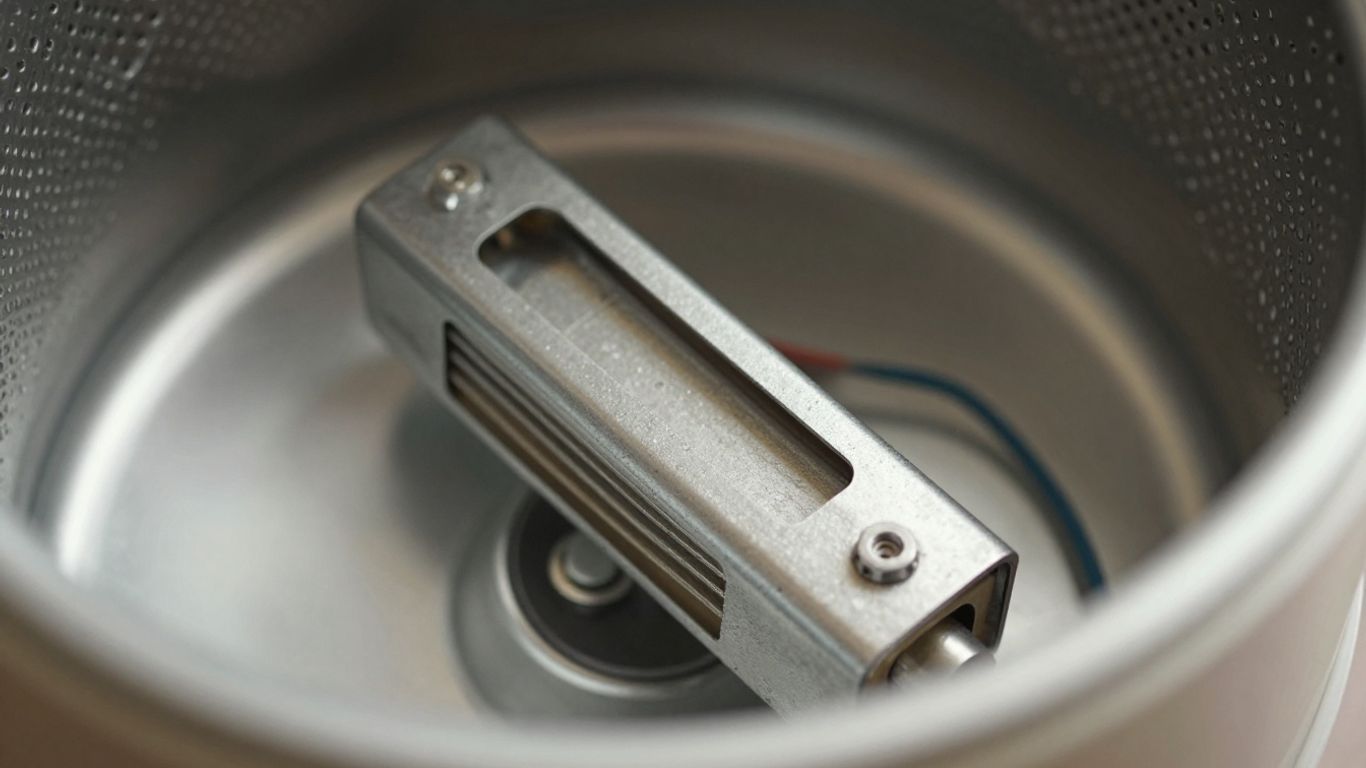
Your dryer has a thermostat, kind of like the one in your house, that helps keep the temperature inside the drum just right. It tells the heating element when to turn on and off so your clothes don’t get too hot or not hot enough. If this little guy isn’t working correctly, your dryer might not heat up at all, or it might overheat.
Think of it as the dryer’s temperature regulator. When the air inside the drum reaches a certain point, the thermostat signals the heating element to shut off. Once the temperature drops, it signals the heating element to kick back on. This cycle keeps things consistent.
A faulty thermostat is a pretty common reason why a dryer stops heating.
Here are a few signs that your thermostat might be the culprit:
- The dryer runs, but the clothes come out still damp, even after a full cycle.
- The dryer gets too hot, almost scorching the clothes.
- The dryer doesn’t heat up at all, even though you can hear it running.
If you suspect your thermostat is on the fritz, it’s usually a part that can be replaced. It’s a relatively straightforward fix for many appliance repair services. They can test the thermostat to see if it’s functioning within the correct temperature range. For example, a common thermostat might be set to cycle the heat on and off around 150°F (65°C).
Sometimes, a simple reset can help, but more often than not, if the thermostat is failing, it needs to be replaced. It’s a small part that plays a big role in how your dryer performs. Trying to fix it yourself can be tricky, and it’s often best left to the pros who know their way around dryer parts.
If you’re not comfortable poking around inside your dryer, it’s always a good idea to call in a professional. They can quickly diagnose the issue and get your dryer back to heating properly. You can find local experts who handle these kinds of repairs, ensuring your laundry days get back on track without much fuss. Appliance repair services can often replace these parts efficiently.
Vent Blockage
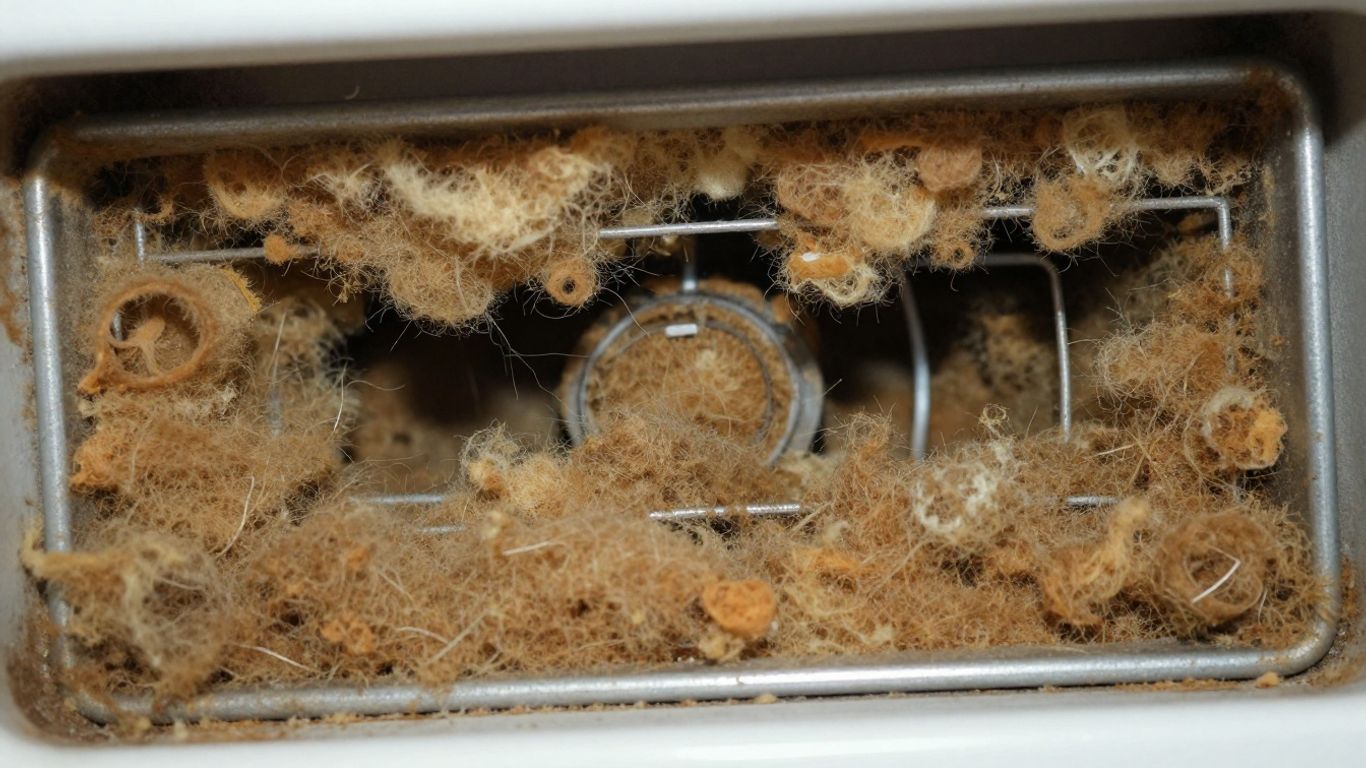
If your dryer isn’t heating up like it used to, or if clothes are taking way too long to dry, a clogged dryer vent could be the culprit. Think of it like a straw – if it’s all gunked up, not much can get through. Over time, lint and other debris build up in the vent hose, which can really mess with your dryer’s ability to push hot air through and dry your clothes efficiently.
This buildup doesn’t just make your dryer work harder; it’s also a serious fire hazard.
Here are some signs that your dryer vent might be blocked:
- Clothes are still damp after a full drying cycle.
- The dryer itself or the clothes coming out feel unusually hot to the touch.
- You notice a musty or burning smell coming from the dryer or the laundry room.
- The laundry room seems more humid than usual.
Cleaning out your dryer vent is a pretty important maintenance task. You’ll want to disconnect the dryer from the wall and then carefully pull out the vent hose. Most of the time, you can clear out the lint by hand or with a vacuum cleaner attachment. For a more thorough cleaning, especially if the blockage is deep in the ductwork, you might need a special vent cleaning brush kit. It’s a good idea to check and clean your dryer vent at least once or twice a year, depending on how much laundry you do. If you’re not comfortable doing this yourself, or if the vent runs a long way through your house, it might be worth calling a professional to handle the dryer vent cleaning. They can make sure it’s all clear and safe.
A blocked vent forces your dryer to work overtime, using more energy and putting extra strain on its components. This can lead to premature wear and tear, potentially shortening the lifespan of your appliance.
Gas Supply
If your dryer is a gas model and it’s not heating, the first thing to check is the gas supply. It sounds simple, but sometimes the gas shutoff valve can get accidentally turned off. This valve is usually located behind the dryer, connected to the gas line. Make sure this valve is in the ‘on’ position. If you’re not sure which way is ‘on,’ it’s typically parallel to the gas pipe.
Gas dryers need a steady flow of gas to produce heat. If that flow is interrupted, your clothes will tumble, but they won’t get warm. This could be due to a few things:
- The main gas supply to your house might be off. This is rare, but it can happen if there’s a utility issue in your neighborhood.
- The shutoff valve for the dryer itself is closed. As mentioned, this is the most common culprit.
- There’s a problem with the gas line or regulator. This is less common and usually requires a professional to diagnose.
If you’ve checked the valve and it’s open, but you’re still not getting heat, it might be time to call in a professional. They can safely check the gas line pressure and ensure everything is working as it should. For reliable appliance repair services, consider checking out Pacific Appliance Solutions.
It’s important to remember that working with gas lines can be dangerous. If you smell gas or are unsure about any part of the process, it’s always best to err on the side of caution and contact a qualified technician. Safety first, always!
Igniter
If your dryer is running but not getting hot, the igniter could be the culprit, especially in gas models. Think of the igniter as the spark plug for your dryer. It’s a small, fragile part that glows red-hot to ignite the gas burner, which then produces the heat for drying your clothes. When it fails, that crucial step of lighting the burner doesn’t happen, leaving you with cool air tumbling around your laundry.
The igniter is often the first thing to check when a gas dryer stops heating. It’s a common wear-and-tear item, and over time, it can become brittle and break. You might notice a faint glow from the igniter area when the dryer is trying to heat, but if it’s not hot enough or doesn’t stay lit, the gas valve won’t open, and no heat will be produced.
Here’s a quick rundown of what happens and why it matters:
- How it works: The igniter receives electrical current, heats up to a high temperature (around 2000°F), and then ignites the gas. This process is usually quite fast.
- Common failure: They can crack or break due to age, vibration, or even just repeated heating and cooling cycles.
- Symptoms: The dryer runs, the drum spins, but there’s no heat. You might hear the gas valve click, but nothing happens.
Replacing an igniter is often a manageable DIY repair for many homeowners. You’ll typically need to access the burner assembly, carefully remove the old igniter, and install the new one. It’s important to get the exact replacement part for your dryer model to ensure it fits and functions correctly. If you’re not comfortable with this kind of repair, it’s always best to call a professional. For those in the Portland or Vancouver areas, services like Pacific Appliance Solutions can help diagnose and fix issues like a faulty igniter.
It’s worth noting that while igniters are common in gas dryers, electric dryers use a different heating system, typically involving heating coils. If you have an electric dryer that’s not heating, the igniter isn’t the part you’ll need to worry about.
Don’t Let Damp Clothes Pile Up
So, your dryer’s decided to take a break from drying, huh? It’s a real pain, especially when you’ve got a mountain of laundry waiting. We’ve walked through some of the most common reasons this happens, from simple things like a clogged vent to trickier issues with heating elements or thermostats. Remember, most of these problems are fixable without needing a whole new machine. Taking a look at the basics first can often save you time and money. If you’ve tried the simple fixes and still have damp clothes, don’t hesitate to call in a pro. Getting your dryer back to its old self means getting back to those fresh, dry clothes you count on.
Frequently Asked Questions
Why is my dryer not getting hot?
If your dryer isn’t heating, it could be a few things. The heating element might be broken, or the thermal fuse could have blown, which is a safety feature to prevent overheating. Sometimes, the thermostat that controls the temperature might be faulty, or the vent could be blocked, making the dryer think it’s overheating.
How do I know if the heating element is bad?
A common sign of a bad heating element is that your dryer runs, tumbles, and sounds normal, but the clothes come out just as wet as they went in. You might also notice a lack of warm air coming from the dryer. It’s a crucial part for generating heat, so if it fails, your dryer won’t dry clothes effectively.
What does a thermal fuse do in a dryer?
The thermal fuse is a safety device. Its main job is to stop the dryer from getting too hot and potentially causing a fire. If the dryer overheats, the thermal fuse will blow, cutting off power to the heating element. If this happens, the dryer will stop heating until the fuse is replaced.
Could a clogged vent stop my dryer from heating?
Yes, absolutely! A blocked vent is a very common reason for a dryer not heating properly. When the vent is clogged with lint, hot air can’t escape, causing the dryer to overheat. This can trigger safety features, like the thermal fuse blowing, to prevent damage or fire. Always check your vents for blockages.
What’s the difference between a gas and electric dryer issue?
For gas dryers, if it’s not heating, you’ll want to check the gas supply to make sure it’s turned on. Other issues, like a broken igniter (which sparks to light the gas) or a faulty gas valve, can also prevent heating. Electric dryers rely solely on electricity, so their heating problems usually point to the heating element or electrical components.
My gas dryer makes noise but doesn’t heat. What could it be?
If your gas dryer is running but not heating, and it’s a gas model, the igniter might be the culprit. The igniter glows hot to ignite the gas that heats your clothes. If it’s broken, it won’t get hot enough to light the gas, and therefore, no heat will be produced, even though the dryer is still tumbling.